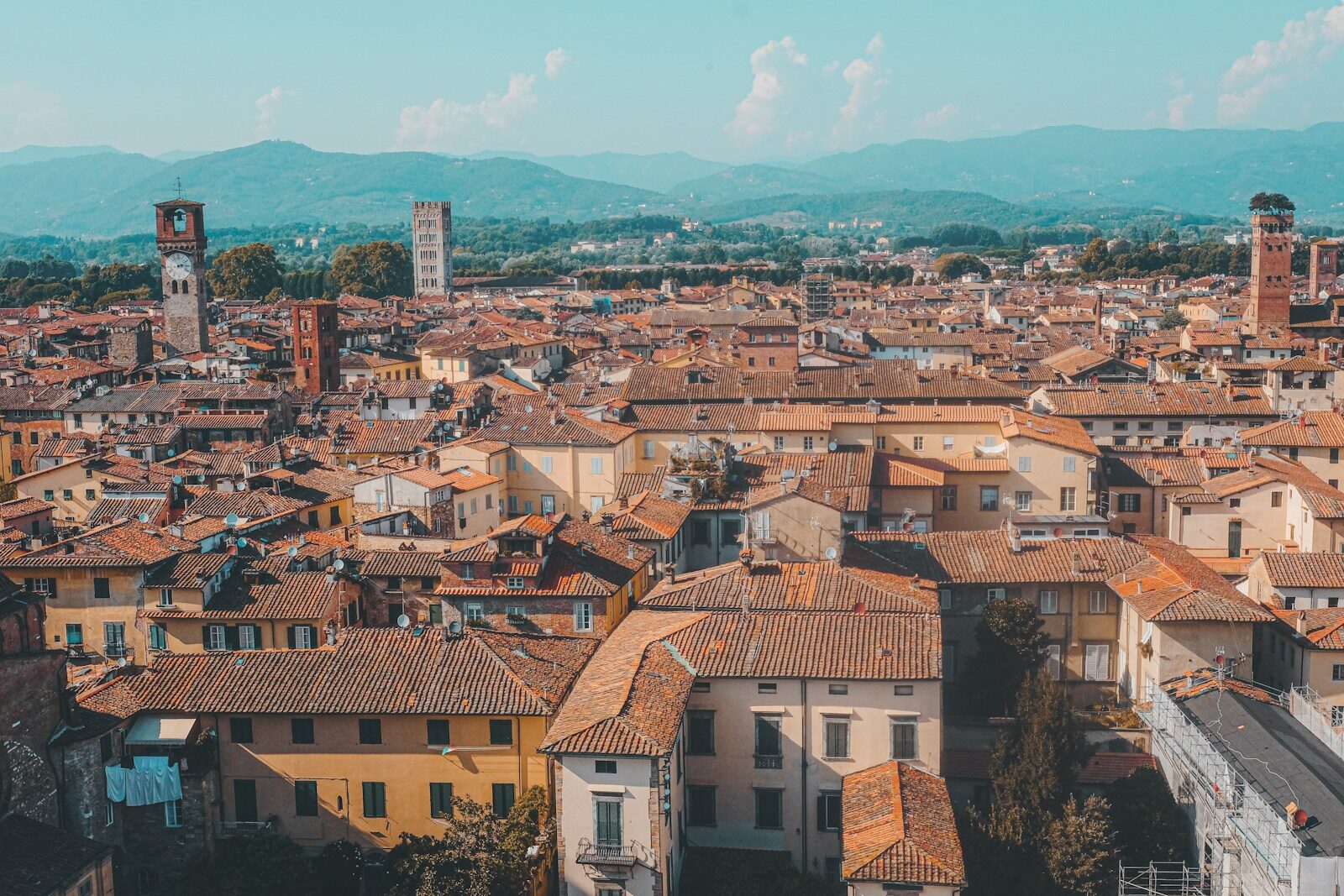
How can a DNA test look at a sample and point to something as specific as a province, valley, or local community? I did the digging, and here’s what I figured out.
Family historians know the satisfaction of watching evidence slowly arrange itself into a coherent picture: a baptism here, a marriage there, a familiar surname repeated in a parish register, a witness whose name appears again two villages over. Over time, your research is not just a list of ancestors, but places with roads, churches, fields, and families.
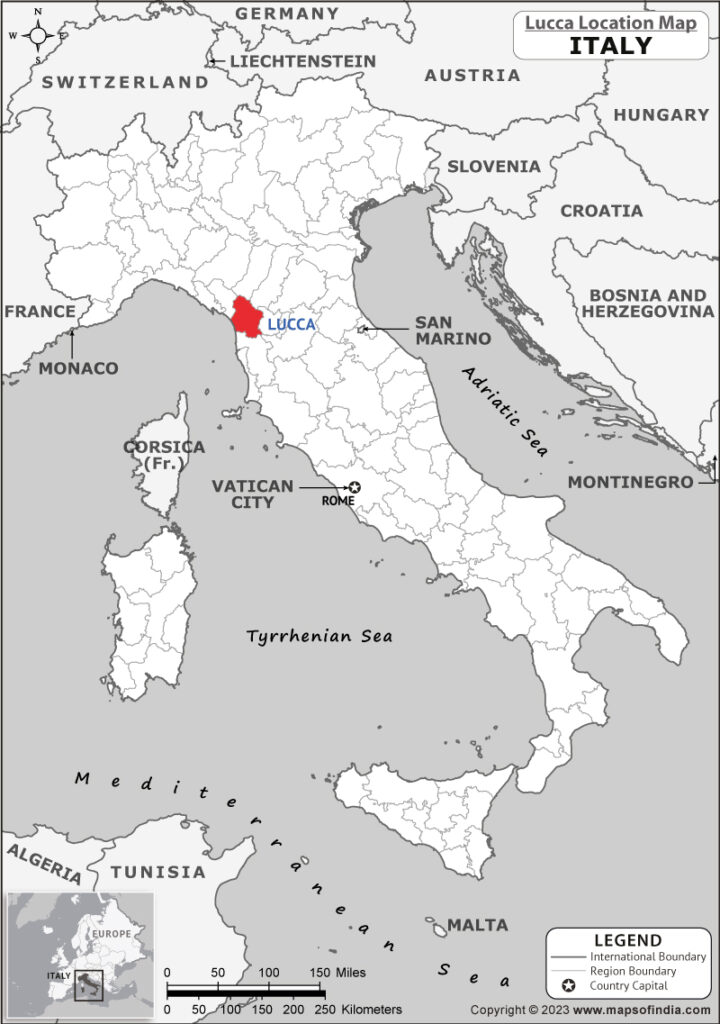
My grandfather’s ancestry is in Bagni di Lucca, in the province of Lucca, Tuscany, with some few, close family connections to the nearby villages in Pistoia across the valley.
Then came his MyHeritage DNA results. The broad ethnicity estimate was interesting, as these tests often are (Southern and Northern Italian, Greek and Albanian, and Egyptian).
However, the truly remarkable result was not the general ethnicity map. It was the more precise finding beneath it: MyHeritage identified my grandfather as belonging, with high confidence, to the Genetic Group “Lucca, Tuscany.” In other words, his DNA actually showed Lucca.
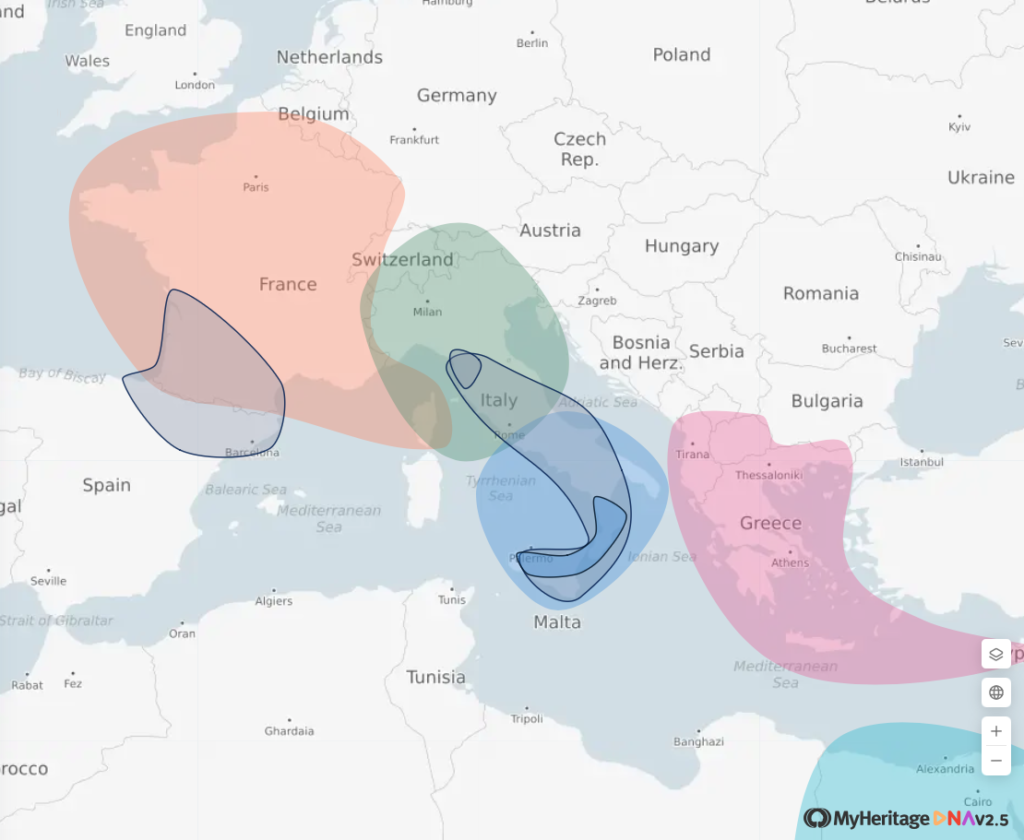
DNA does not contain a tiny label saying “Lucca” or “Pistoia.” There is no genetic postcode, no Tuscan segment hidden in the chromosomes. DNA companies do not look at a strand of DNA and simply read off a location. Instead, they work by comparison, placing one person’s DNA alongside the DNA of many other people in the company’s database.
Some of those people share pieces of DNA (segments) because they inherited those pieces from the same ancestors. These shared pieces are also called Identical-by-Descent segments, or IBD segments. A simple way to picture this is as a vast family reunion where nobody initially knows exactly how they are related. The computer looks around the room and says: these people share the same little pieces of inherited DNA, so they probably descend from the same ancestral population, even if their families have since scattered across the world.
That is the biological foundation of a Genetic Group. It is not simply asking, “What country does this person resemble?” It is asking, “Which living people does this person share inherited DNA with, and where do those people’s families come from?” That distinction matters, because it helps explain why these results can sometimes be much more geographically specific than a broad ethnicity estimate.
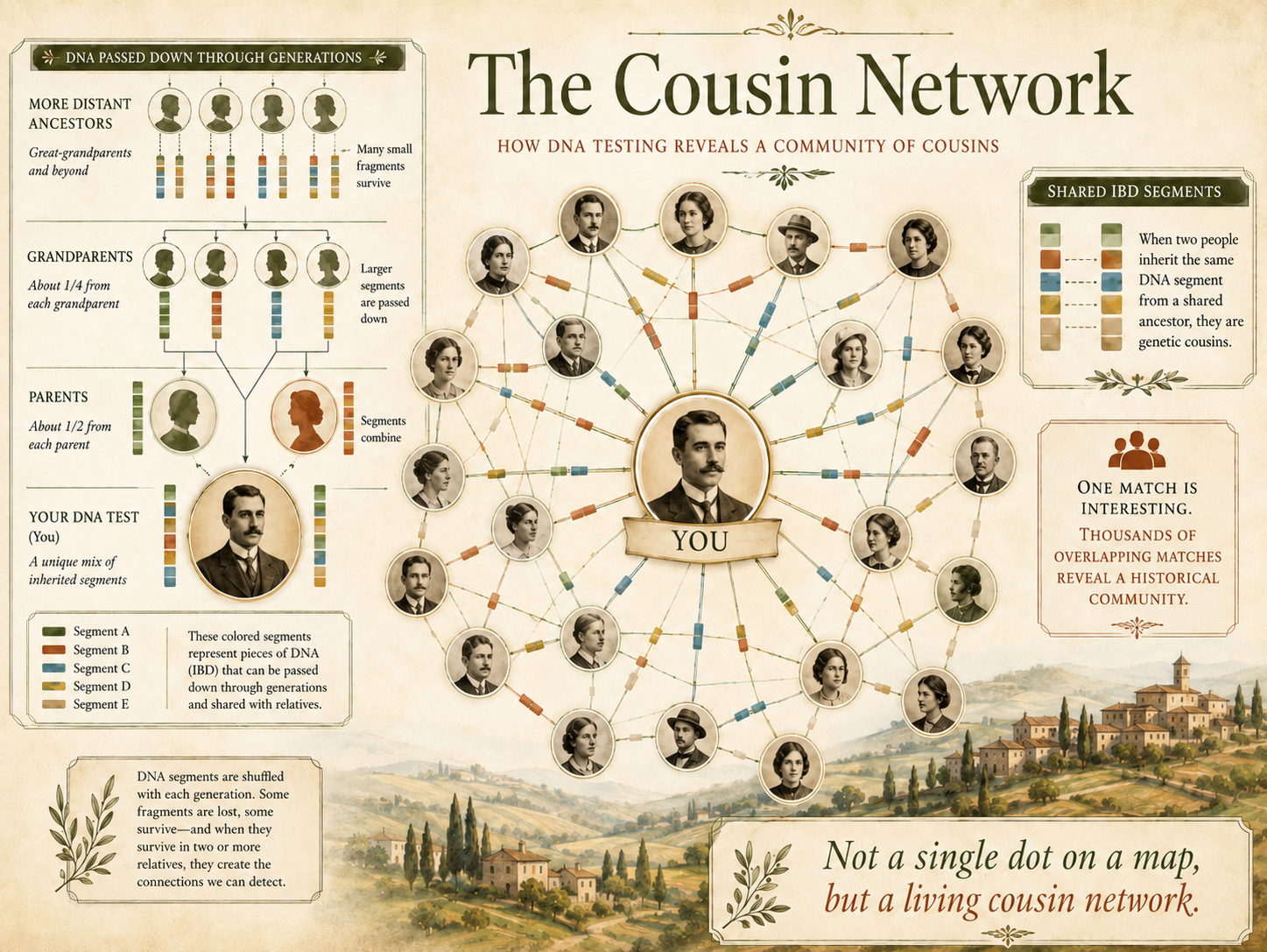
The Cousin Network
Over many generations, DNA is shuffled and passed down in fragments. We inherit half our DNA from each parent, roughly a quarter from each grandparent (although I have 30% of my grandfather’s DNA, which is higher than the average of 25%), and smaller, less predictable pieces from more distant ancestors. Most fragments become harder to trace over time, but some survive across generations. When two people share the same segment because they inherited it from a shared ancestor, they are genetic cousins.
When many people submit their DNA tests to a database, and many of them share overlapping segments, the computer can begin to see a network. This is more powerful than a single DNA match. One distant cousin might be a coincidence or a genealogical curiosity, but thousands of related people sharing patterns of inherited DNA can reveal something much larger: a historically connected community. My grandfather’s Lucca result therefore does not mean that one distant cousin happened to have an ancestor from Lucca: it means he fits into a broader cluster of people whose DNA and family histories point back to the same region.
In that sense, the result is not a single dot on a map. It is a living cousin network, built from small pieces of inherited DNA passed down through families over centuries.
Why Valleys Matter
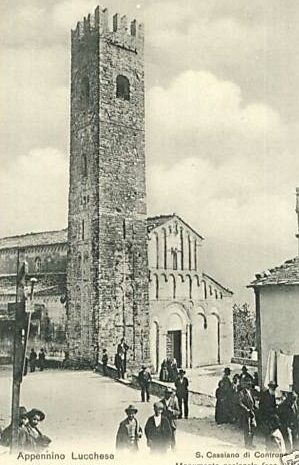
This is where geography merges with genealogy. For centuries, many families in places like Bagni di Lucca lived in relatively stable local communities. The area is shaped by the Apennine landscape, by river valleys, by mountain roads, and by villages perched above streams and terraces. The Lima Valley, running through Bagni di Lucca, is not just scenery; historically, it helped shape everyday life.
People often married locally, worked locally, worshipped locally, and raised children in the same villages where their parents and grandparents had lived. Of course, some people left and some arrived, but compared with the modern world, movement was slower, harder, and more limited. In mountain regions and deep valleys, geography could quietly encourage continuity. Families became interwoven, surnames recurred, and communities developed dense webs of kinship.
Over time, this kind of local continuity can leave a genetic pattern. Not because people in one valley are fundamentally different from people in the next, but because repeated marriage within a relatively stable local population concentrates certain inherited DNA segments. After enough generations, the village becomes a web, and the web leaves a signal.
This is why mountain regions, islands, valleys, religious communities, and historically stable rural populations can sometimes be identified with surprising precision in DNA databases. The geography helped shape the marriages, the marriages shaped the DNA, and the DNA can now point back toward the geography.
In the blog post Women on the Move: How Marriage Patterns Shaped Bagni di Lucca, we discussed how marriage traditions from the 1800s and early 1900s had women move to their husband’s native villages. This caused interesting migration patterns across the Lima valley, here showing the movement pattern of 35 women from our database.
How the Computer Names the Place
Shared DNA alone, however, is not enough to name the group. The computer may be able to detect a cluster of people who share inherited DNA, but DNA by itself does not say, “This is Lucca.” To name the cluster, the company needs genealogical information and paper trails, and that is where family trees become essential.
Many people who take DNA tests also upload or build family trees. Those trees contain names, dates, and birthplaces. When the algorithm finds a large group of people who share shared DNA segments (i.e., we know they are genetic cousins), it can then examine the family trees connected to that group. If many members of this cousin cluster report to have ancestors born in the province of Lucca, the pattern becomes visible. If the same towns, villages, and surnames keep appearing, the evidence becomes stronger.
This is the crucial point: the DNA creates the genetic cousin network, and the family trees help explain where that network came from. The chromosome segments provide the inherited connection; the family trees provide the historical geography. The result is a marriage of biology and archives.

Why This Result Matters
For our family, this is more than a clever feature on a website. Our paper trail already shows deep roots in Bagni di Lucca and the nearby Pistoia villages across the valley. Birth records, marriage records, and parish documents have built a consistent story: this family belonged to that part of Tuscany for generations.
The DNA result does not replace that research. It strengthens it. It tells us that my grandfather is not merely carrying surnames from Lucca on a chart; he shares inherited DNA with a wider living network of people whose own family histories also lead back to Lucca. The genetic evidence and the documentary evidence are pointing to the same place.
That makes the result especially meaningful. It provides strong biological support for the family tree we have built and makes major recent surprises in the direct ancestry less likely. In genealogy, no single source can prove everything beyond doubt, but when the documents and the DNA independently point to the same valley, the conclusion becomes much more compelling.
What the DNA Adds to the Story
This is why my grandfather’s Lucca result feels so significant. The documentary evidence already placed his ancestry in Bagni di Lucca and the nearby Pistoia villages across the valley. The DNA result does something different: it shows that he also belongs biologically to a wider network of people whose ancestry points to the same region.
That does not mean the DNA test has solved the family tree on its own, and it does not replace the careful work of reading records, checking names, comparing dates, and following families through the archives. But it does give the paper trail another layer of support. The records show where the family lived; the DNA shows that he shares inherited segments with people whose own family histories lead back to the same place.
For me, that is the real value of the result. It turns “Lucca” from a location on the tree into a wider genealogical context: a community of related families, shaped by geography, marriage, migration, and time. The match is not just to a region, but to a network of distant cousins who help confirm that the story we have reconstructed from the records is pointing in the right direction.
Do you recognize any of the old local surnames from Bagni di Lucca, the Lima Valley, or the nearby Pistoia villages? If so, leave a comment — I would love to hear which names appear in your family tree.


Leave a Reply