An Interactive Archive
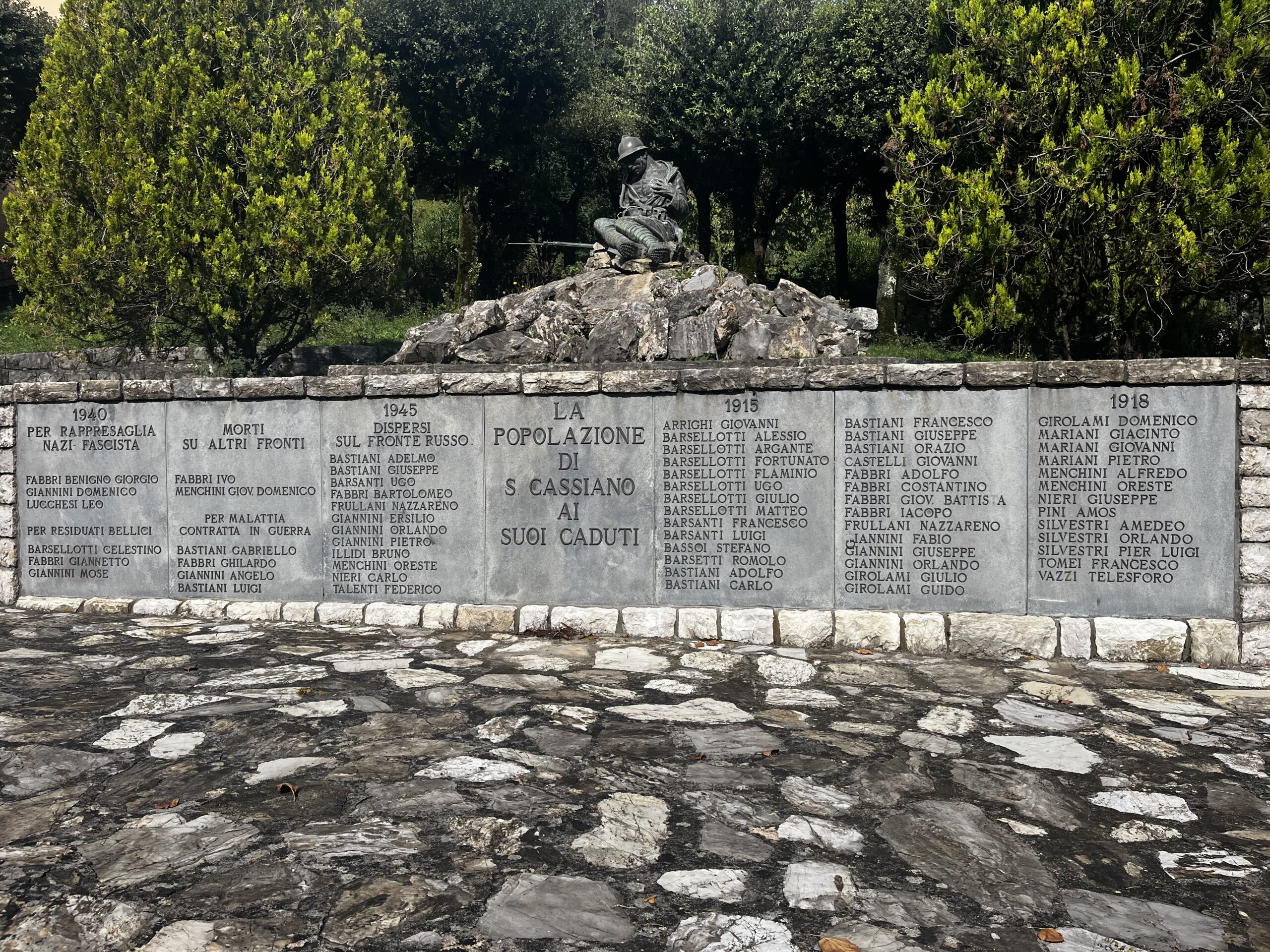
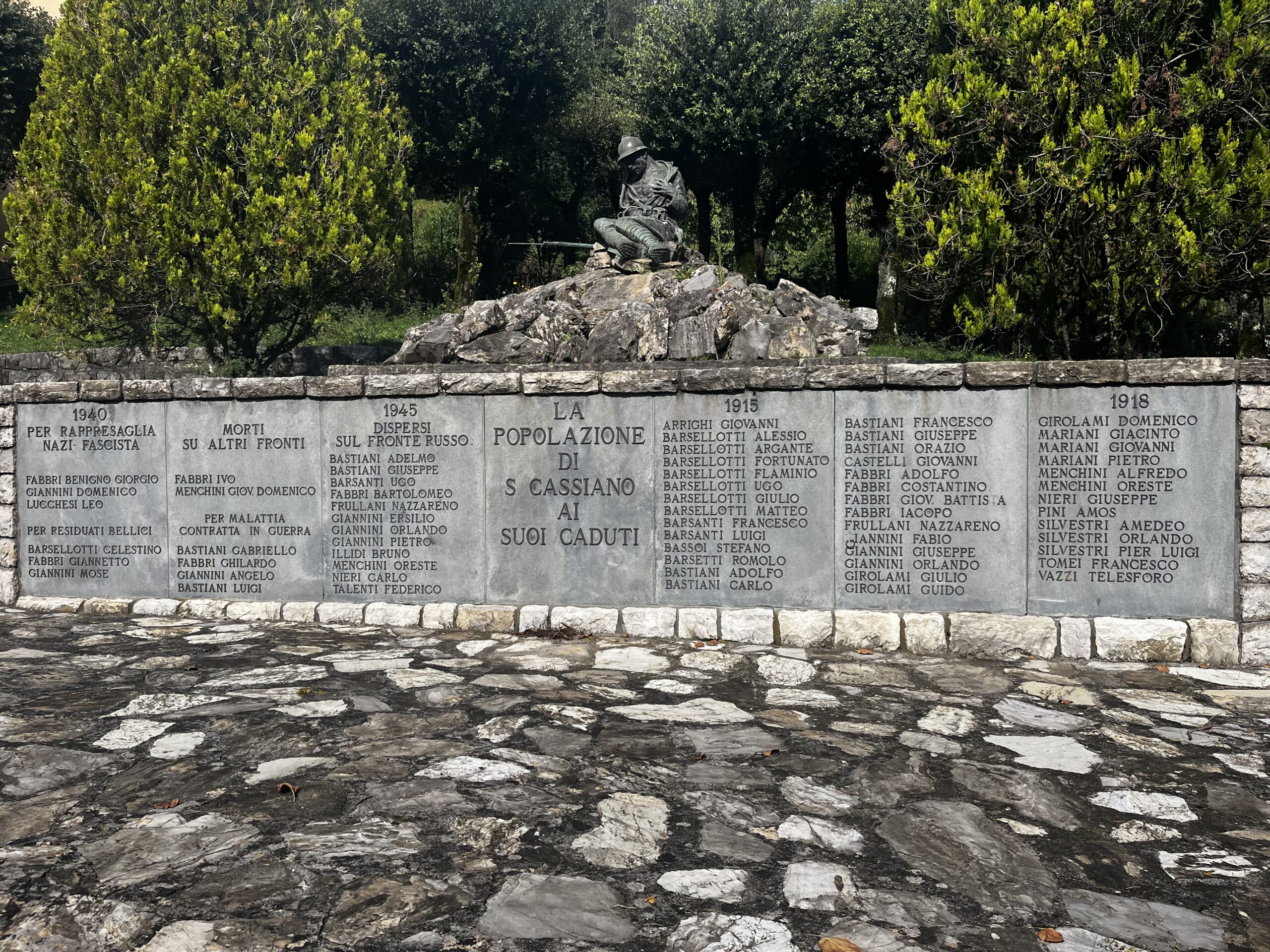
The war memorial commemorates individuals from the local community who were involved in the major conflicts of the twentieth century, including the First and Second World Wars. It records the names of those who did not return, as well as individuals whose deaths are documented in official military records.
The memorial is located in San Cassiano di Controne (Bagni di Lucca), and forms part of the local historical and cultural landscape. It reflects the impact of national and international conflicts on a small rural community, where military service was widespread and often compulsory.
Here, the individuals named on the memorial have been identified through official records as having died during military service, from wounds sustained in combat, in captivity, or in military medical facilities. In some cases, they are recorded as missing in action. The information presented on this page is based on documented evidence and reflects what is currently available in online historical records.
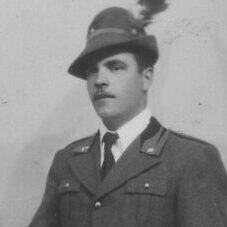
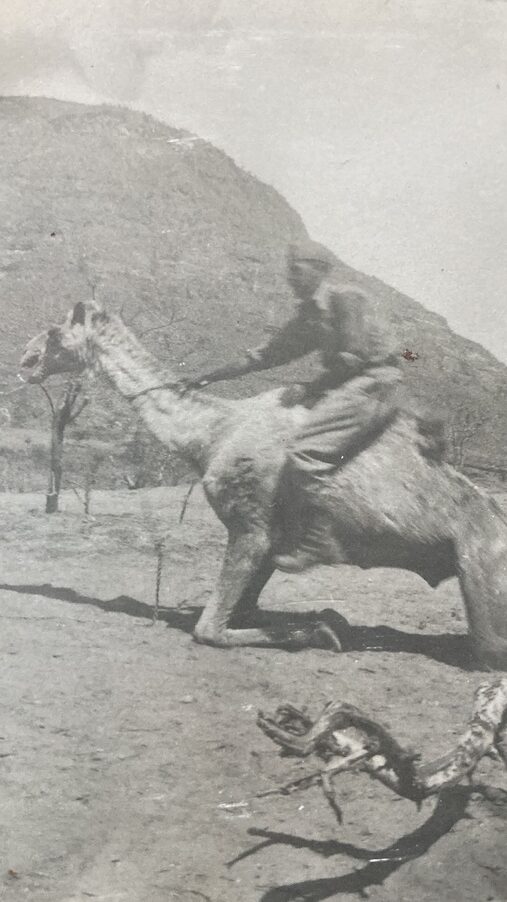
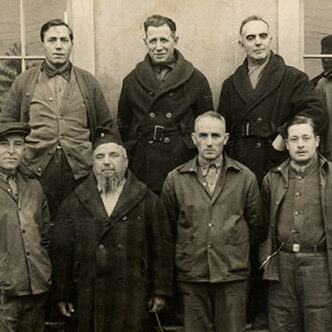
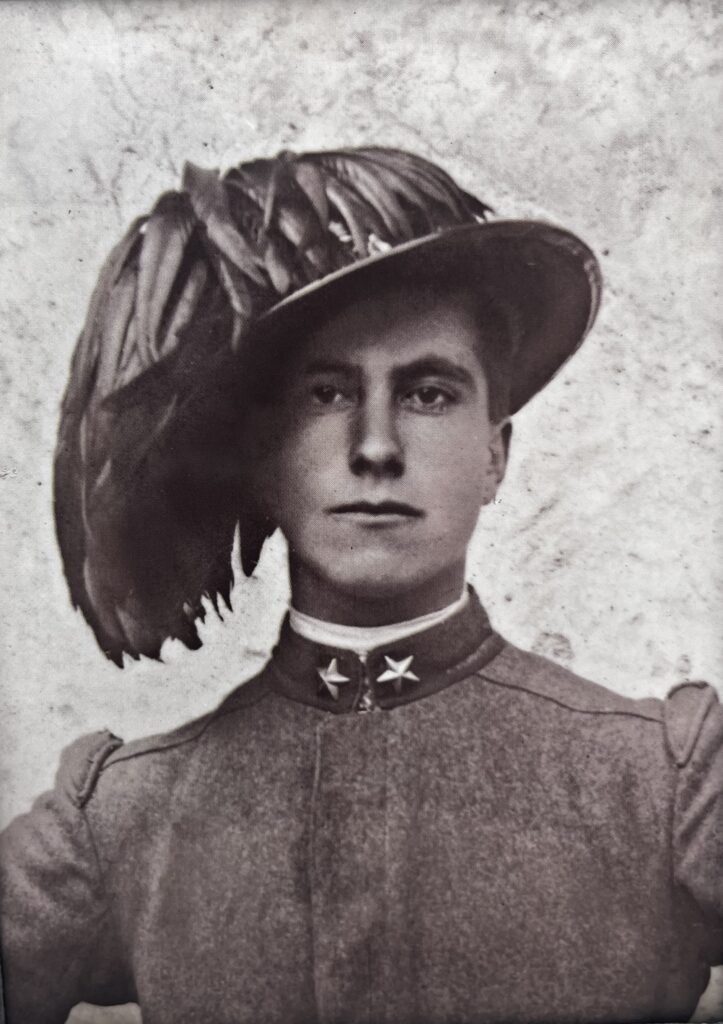
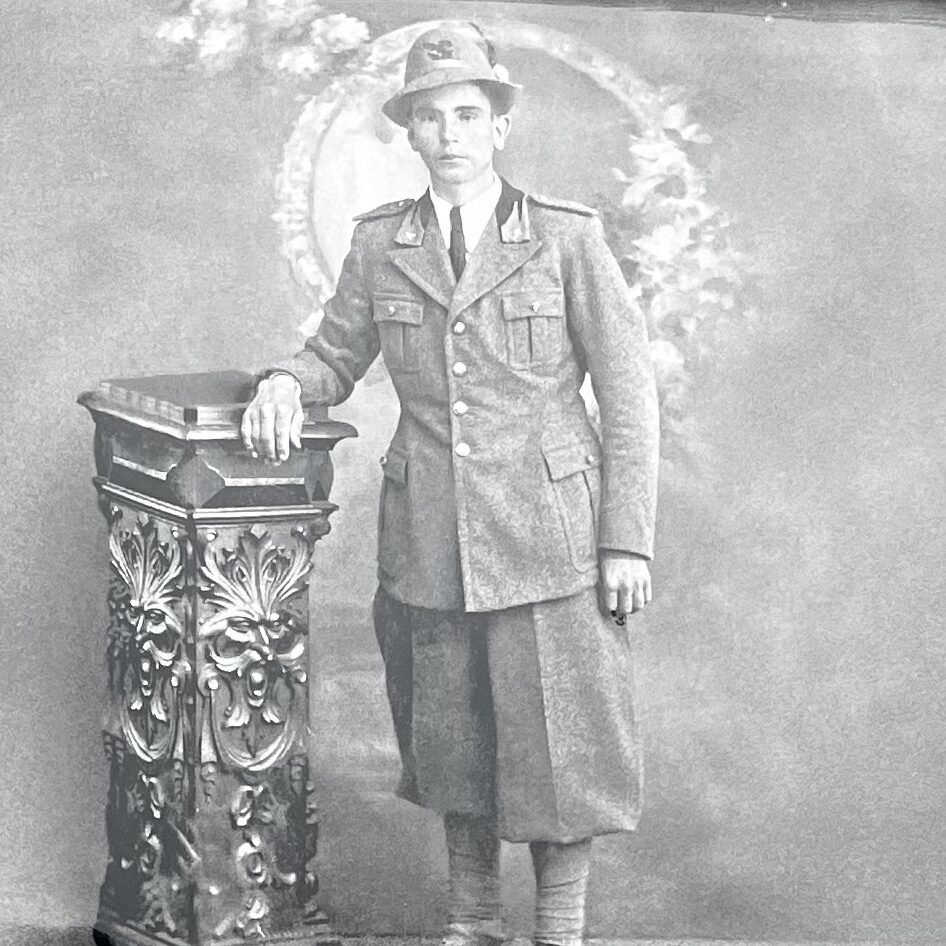
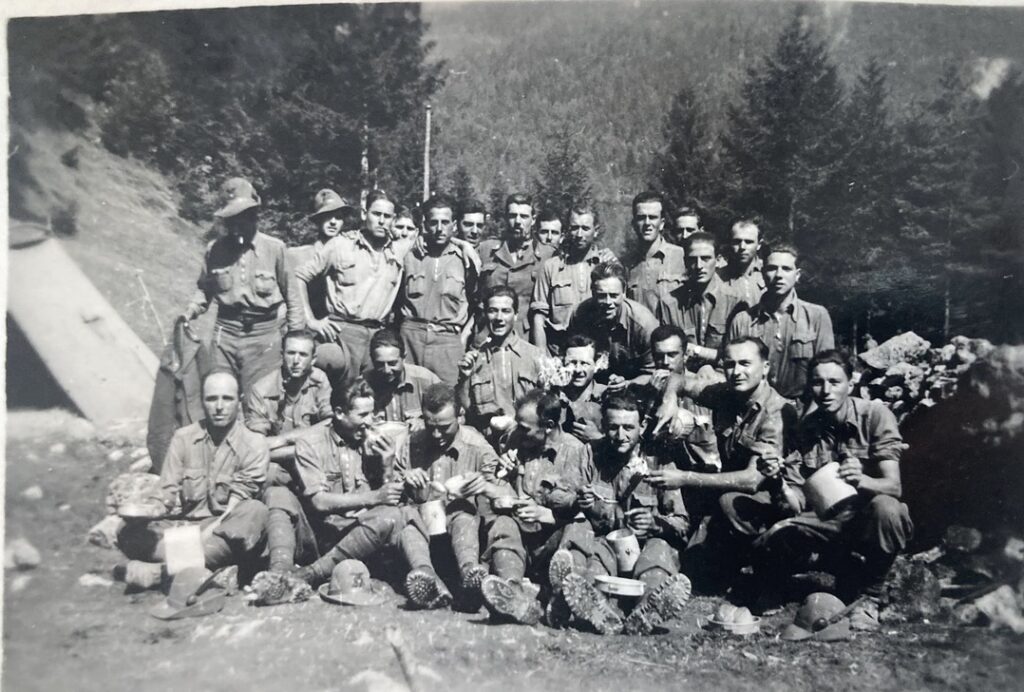
Overview.

1940 – Per rappresaglia nazi-fascista.
1940 – Killed in Nazi-Fascist reprisals: Civilians or partisans executed as retaliation. 3 individuals.
Morti su altri fronti.
Died on other fronts: Soldiers who died in war, but not in the main theaters highlighted elsewhere on the memorial. 2 individuals.

Per rediduati bellici.
Killed by remnants of war: Deaths caused by unexploded ordnance (bombs, mines, etc.) after or during the war. 3 individuals.

Per malattia contrata in guerra.
Died from illness contracted during the war: Typically infections, disease, or complications acquired while serving. 4 individuals.
1945 – Dispersi sul fronte russo.
1945 – Missing on the Russian front: Soldiers who disappeared (presumed dead) during the Eastern Front campaigns (WWII). 12 individuals.
1915-1918.
These are year groupings, referring primarily to World War I casualties. 41 individuals.
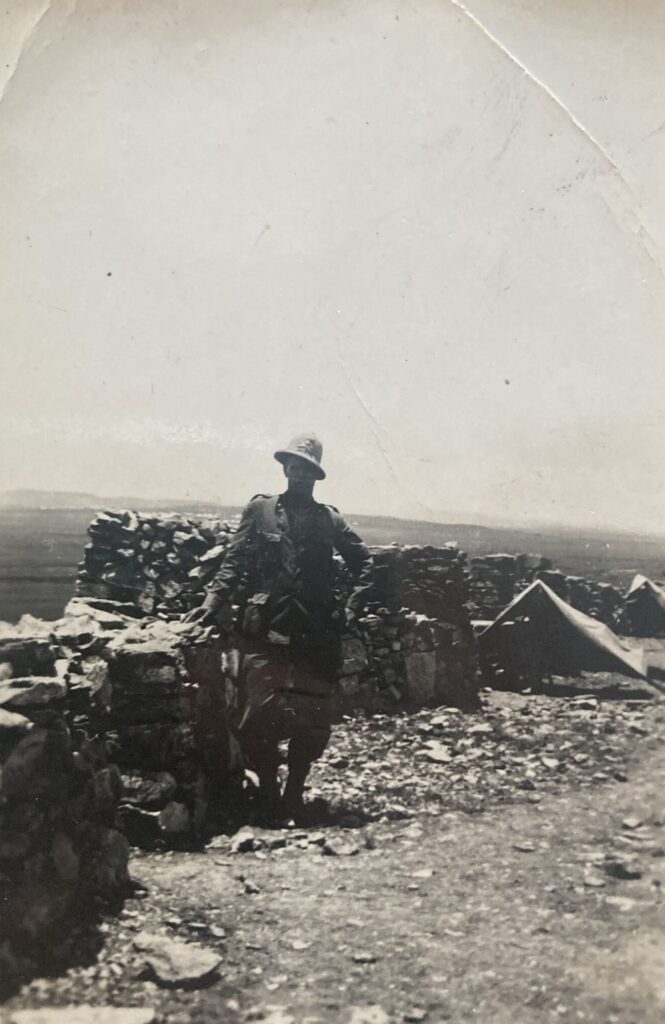
Sources and Documentation
The information presented here has been compiled using a range of publicly accessible archival and institutional sources. These include:
- International Committee of the Red Cross (ICRC) prisoner of war records:
https://grandeguerre.icrc.org/en/File/Search/#/8/2/81/0/Italian/Military/ - Italian Ministry of Defence database of the fallen and missing (Second World War):
https://www.difesa.it/il-ministro/ufficio-per-la-tutela-della-cultura-e-della-memoria-della-difesa/banca-dati-dei-caduti-e-dispersi-2-guerra-mondiale.html - Arolsen Archives (records relating to prisoners of war, forced labourers, and displaced persons): https://collections.arolsen-archives.org
- Published works and reference material on military units, field hospitals, and wartime infrastructure.
- Burial and memorial records, including FindAGrave: https://www.findagrave.com
- The local cemetery register (available on this website), which brings together burial and memorial data for the area
- Civil records from Bagni di Lucca, accessed through FamilySearch: https://www.familysearch.org
- In specific cases, foreign national databases (for example Canada), together with Ancestry.com, where individuals emigrated and served under another country
The level of detail varies from person to person, depending on what has been preserved in the above records.
Interactive map showing where individuals from the war memorial went missing, died, and/or were buried from WWI and WWII. Click on the pins to see the exact location and the names associated with the location.
Methodology
The aim of this project is to document individuals using verifiable, publicly available sources. Information has been collected and compared across multiple records where possible.
Where details such as dates, places, or military units appear consistently across sources, they are presented as recorded. In cases where information is limited or unclear, this is also noted. No assumptions have been made beyond what can be supported by the available documentation and known facts about military regiments, battles, and historical contexts.
This approach is intended to ensure that the information remains transparent, traceable, and open to further research.
Notes on Terminology and Abbreviations
Some commonly used abbreviations and terms include:
- POW (Prisoner of War): A member of the armed forces captured and held by an enemy
- MIA (Missing in Action): A person whose fate is unknown following military engagement
- Field hospital: A mobile medical unit located near the front lines for the treatment of wounded soldiers. These hospitals often moved with the front lines. The exact location of a front line is often interpreted based on the military battles occurring at the time the hospital is mentioned in a record.
Terminology follows the wording used in the original records and may vary between sources.
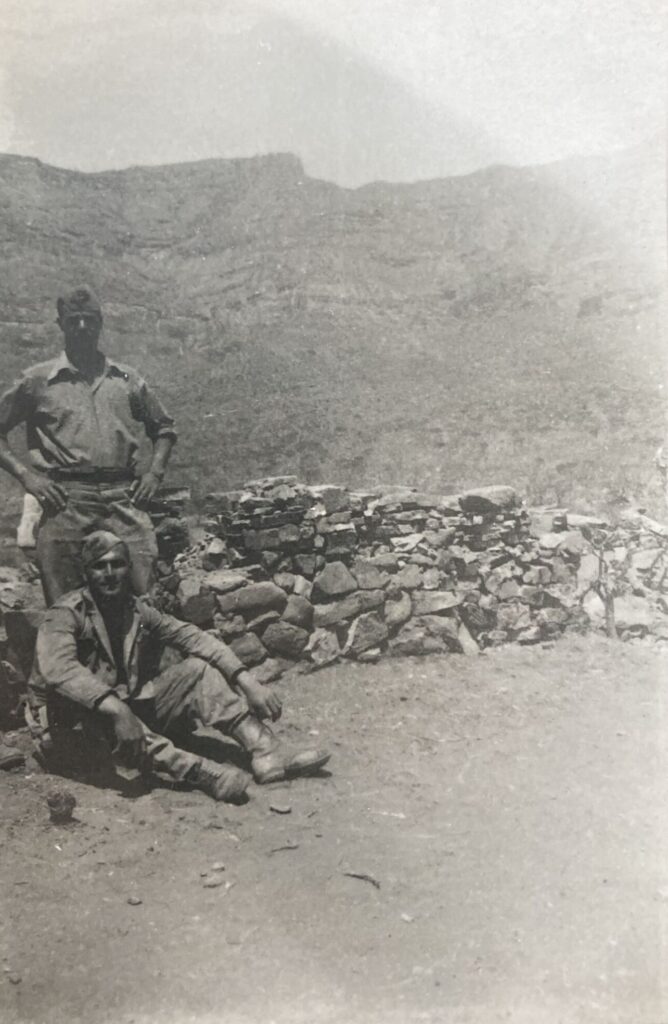
War Memorial
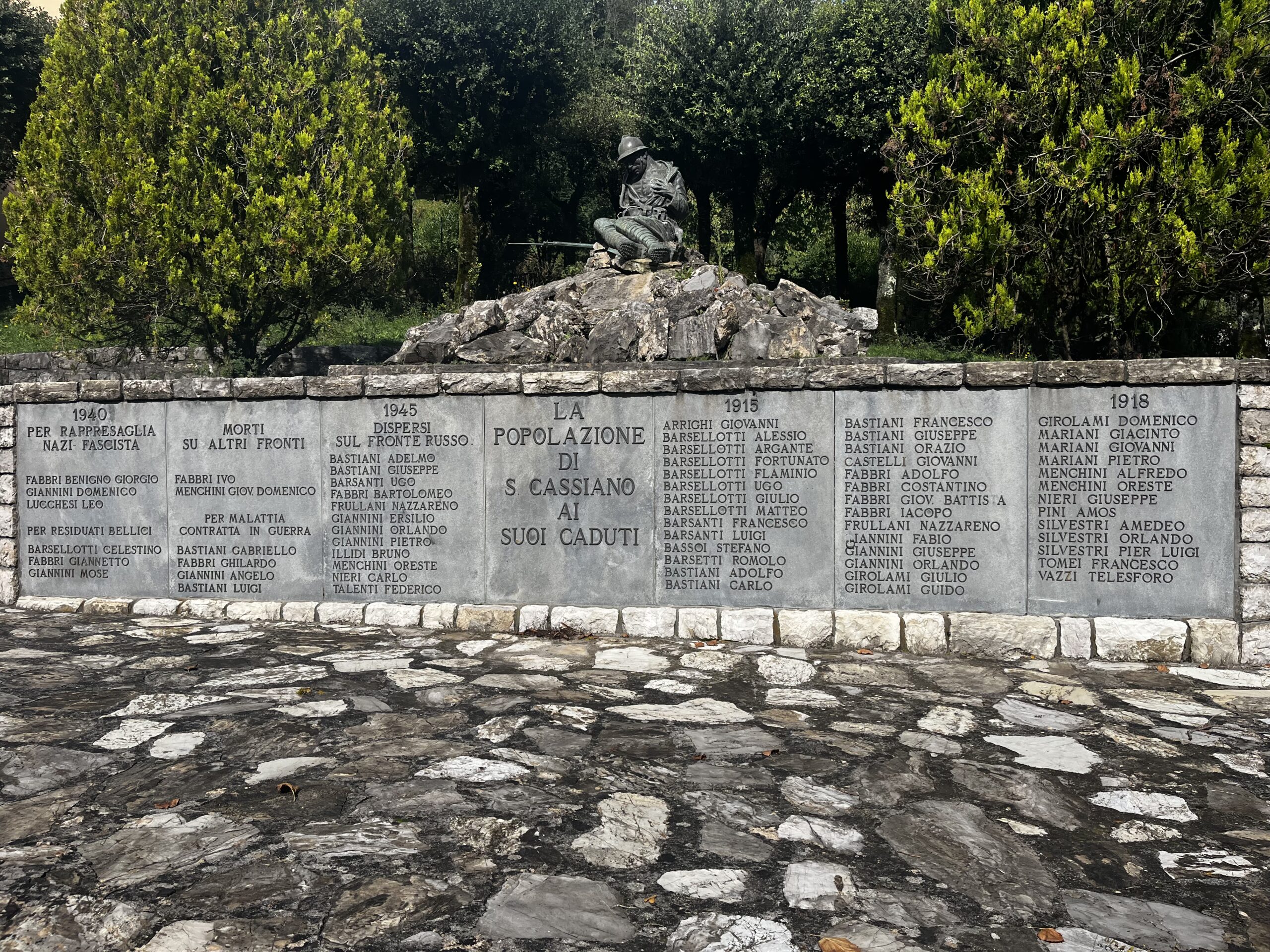
Mose Giannini (1933-1945)
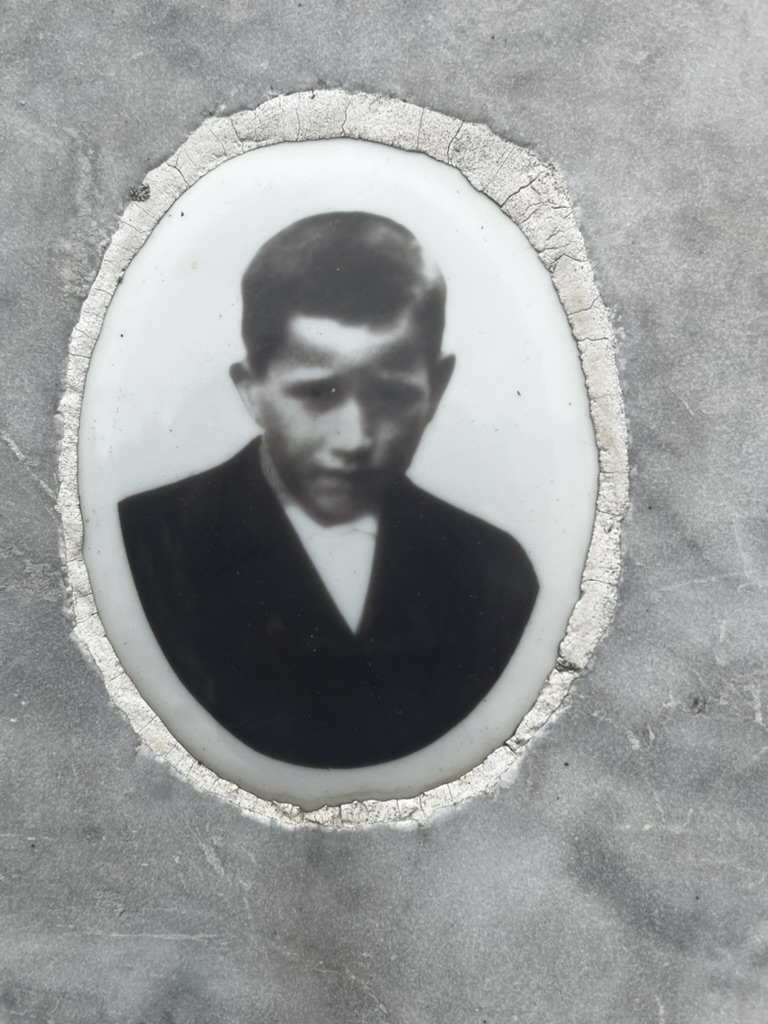
Birth: 23 July 1933, San Cassiano di Controne, Bagni di Lucca.
Death / Missing: 5 May 1945, San Cassiano di Controne, Bagni di Lucca.
- Father: Iacopo Giannini
- Mother: Geni Giannini
Summary:
A child killed by war remnants in San Cassiano post-war.
Details:
- No other details identified.
Sources:
- See Cemetery Register from San Cassiano for grave photo.
Archival notes:
- Not found in Arolsen Archives
- Not found on Fold3
Beningno Giorgio Fabbri (?-?)
Birth: Unknown
Death / Missing: Unknown
- Father: Unknown
- Mother: Unknown
Summary:
Killed in a Nazi-Fascist reprisal. No confirmed archival records identified.
Sources:
None currently identified
Archival notes:
- Not found on FindAGrave
- Not found on Fold3
Domenico Giannini (?-?)
Birth: Unknown
Death / Missing: Unknown
- Father: Unknown
- Mother: Unknown
Summary:
Killed in a Nazi-Fascist reprisal. Possible archival matches exist, but identity remains unconfirmed.
Sources:
- Arolsen Archives (multiple possible matches), but the commonality of the name makes it difficult to narrow down without more information.
Archival notes:
- Multiple entries in Arolsen Archives, but the identity remains unknown.
- Date of birth required for confirmation
Leo Lucchesi (1922-1944)
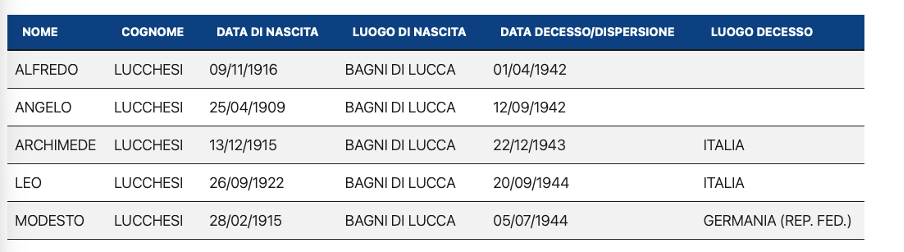
Born: 26 September 1922?
Died / Missing: 20 September 1944, Italy
Summary:
Killed or reported missing during a Nazi-Fascist reprisal in Italy.
Details:
A possible archival match appears under the name “Lio Lucchesi,” with place of birth recorded as Pieve di Monti di Villa. Birth date is noted as 26 September 1922 in the comune of Bagni di Lucca.
Sources:
- https://collections.arolsen-archives.org/en/search/person/85936278?s=leo%20lucchesi&t=683761&p=0
- https://www.difesa.it/il-ministro/ufficio-per-la-tutela-della-cultura-e-della-memoria-della-difesa/banca-dati-dei-caduti-e-dispersi-2-guerra-mondiale.html
Archival notes:
- Name variation (“Lio” instead of “Leo”)
- Identification uncertain due to common name
- Not found on Fold3
- Not in Arolson Archives.
Celestino Barsellotti (?-?)
Birth: Unknown
Death / Missing: Unknown
- Father: Unknown
- Mother: Unknown
Summary:
Killed by war remnants. A possible burial record has been identified.
Details:
A cemetery record dated 1948 may correspond to this individual.
Sources:
- See Cemetery Register for San Cassiano.
Archival notes:
- Not found on FindAGrave
- Not found on Fold3
Giannetto Fabbri (1933-1945)
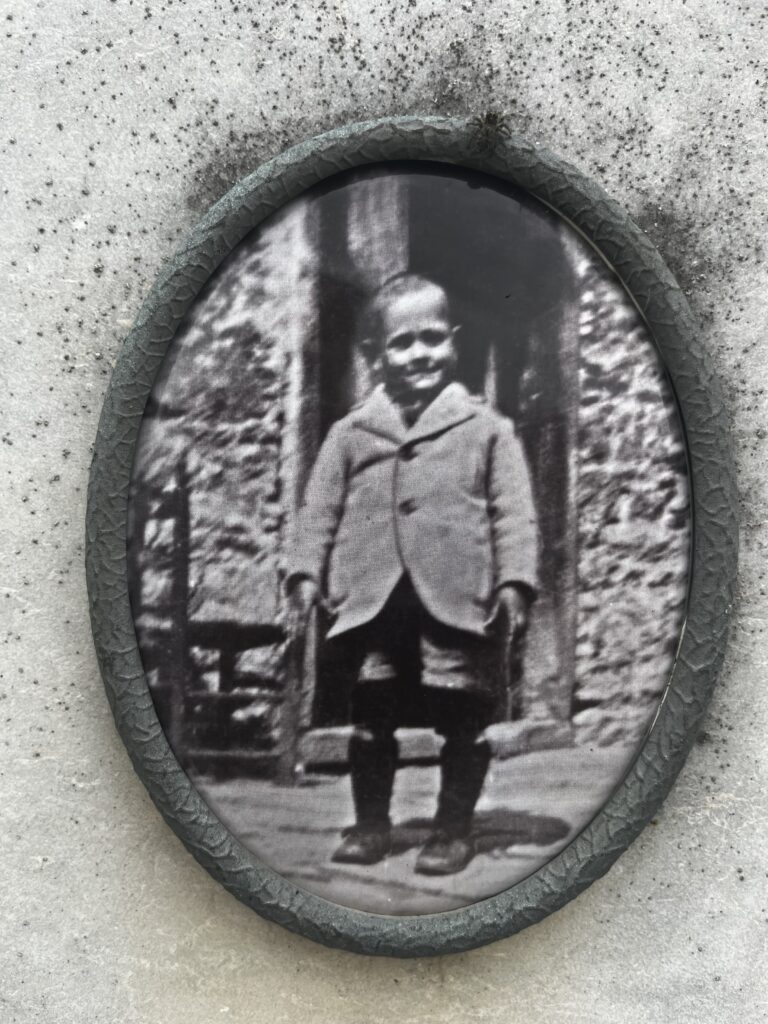
Birth: 4 November 1934, San Cassiano di Controne, Bagni di Lucca.
Death / Missing: 5 May 1945, Cappella, San Cassiano di Controne, Bagnid i Lucca.
- Father: Pasquale Fabbri
- Mother: Angela Menchini
Summary:
Child killed by war remnants in San Cassiano.
Sources:
- See Cemetery Register for San Cassiano di Controne.
- Civil (death) records from Bagni di Lucca: https://www.familysearch.org/ark:/61903/3:1:3Q9M-CSK4-LS39-D?view=explore&groupId=TH-909-71331-56564-25&lang=en
Archival notes:
- Not found on FindAGrave
- Not found on Fold3
Ivo Fabbri (1919-1944)
Born: 17 February 1919, San Cassiano di Controne, Bagni di Lucca
Dead / missing: 12 April 1944, Giovinazzo, Bari
- Father: Unknown
- Mother: Unknown
Details:
No information available.
Sources:
- Civil records (death register) for Bagni di Lucca 1946, entry 8, part II: https://www.familysearch.org/ark:/61903/3:1:3Q9M-CSK4-LSS5-R?view=explore&groupId=TH-909-71331-56422-36&lang=en
- Cemetery register, see there for grave details.
- Italian WWII casualties: https://www.difesa.it/il-ministro/ufficio-per-la-tutela-della-cultura-e-della-memoria-della-difesa/banca-dati-dei-caduti-e-dispersi-2-guerra-mondiale.html
Archival Notes:
- Not on Fold3
- Not on FindAGrave
Giovanni Domenico Menchini (1910-?)
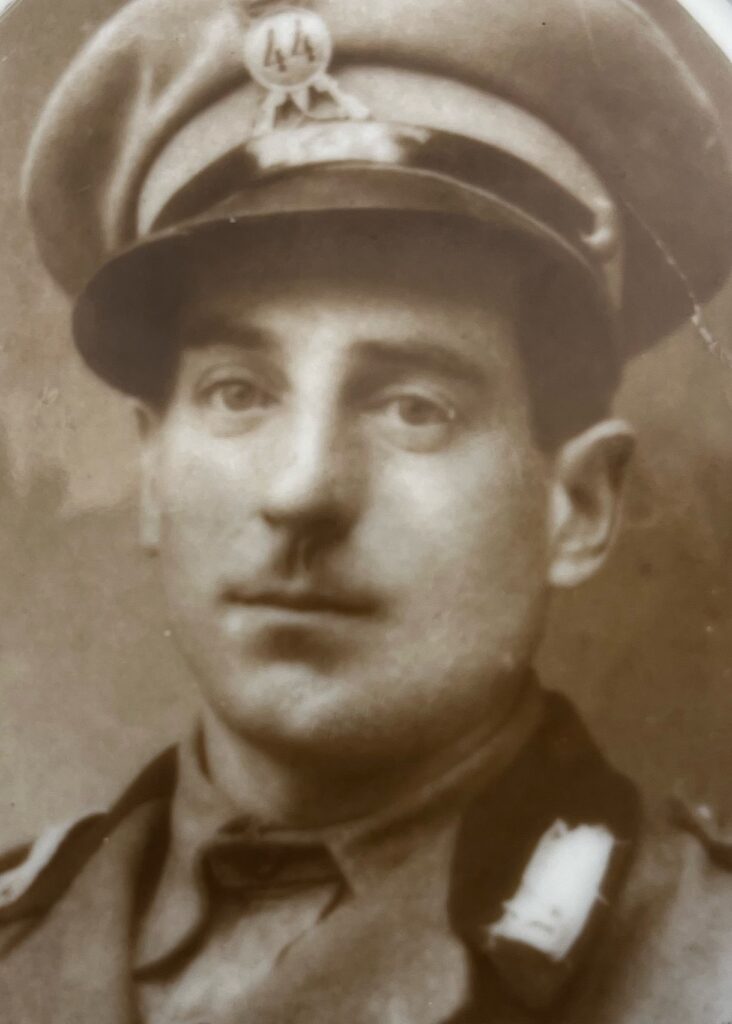
Born: 7 October 1910, 2 Cappella, San Cassiano di Controne, Bagni di Lucca
Dead / missing: 9 August 1943, Unknown location in Greece.
- Father: Giovanni Menchini
- Mother: Maria Pasqua Bastiani
- Spouse: Isabella Fabbri
Summary:
Italian soldier who died in an unknown location in Greece.
Details:
No details available.
Sources:
- Civil records (birth register) for Bagni di Lucca: https://www.familysearch.org/ark:/61903/3:1:3QS7-89WQ-YZVH?view=explore&groupId=M9QY-7BQ&lang=en
- Cemetery register, see there for grave details.
- Italian WWII casualties: https://www.difesa.it/il-ministro/ufficio-per-la-tutela-della-cultura-e-della-memoria-della-difesa/banca-dati-dei-caduti-e-dispersi-2-guerra-mondiale.html
Archival Notes:
- Not on Fold3
- Not on FindAGrave
Gabriello Bastiani (?-?)
Born: unknown
Dead / missing: unknown
- Father: unknown
- Mother: unknown
Summary:
None
Details:
None
Sources:
None
Archival Notes:
- Not found in FindAGrave
- Not on Fold3
- Not in the database of Italian war casualties.
Ghilardo Fabbri (1913-1944)
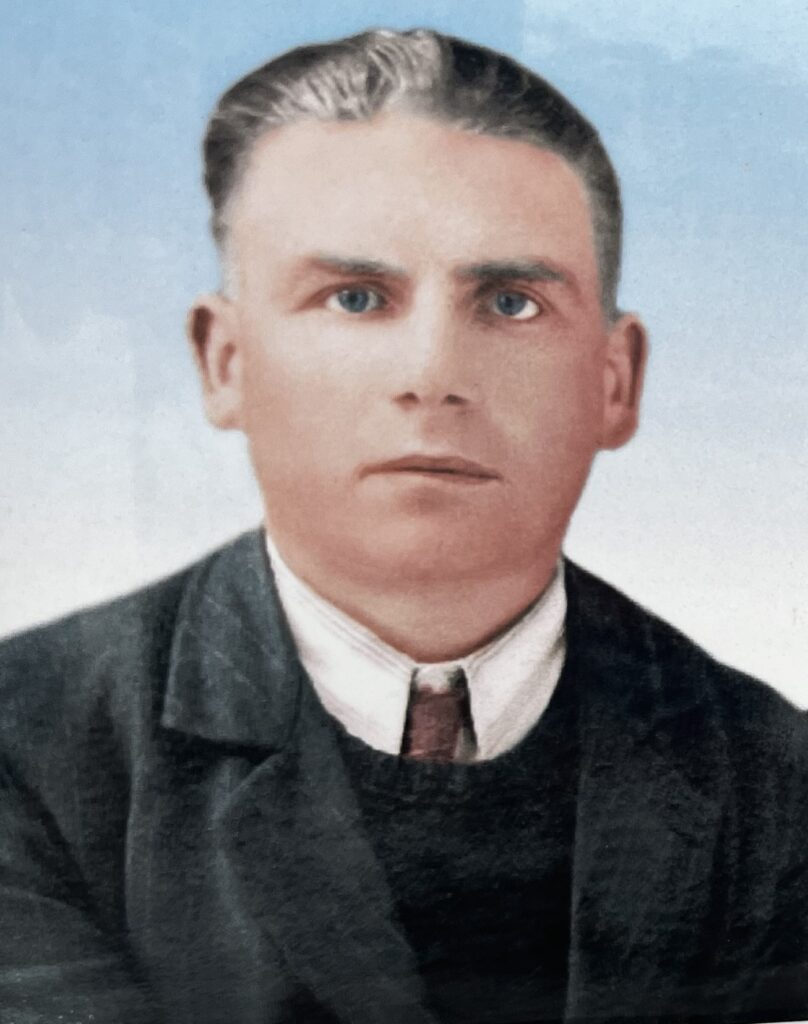
Born: 18 November 1913, San Cassiano di Controne, Bagni di Lucca.
Dead / missing: 6 May 1944, Campiglia, San Cassiano di Controne, Bagni di Lucca.
- Father: Pasquale Fabbri
- Mother: Maria Erichetta Barsanti
- Spouse: Dina Arrighi
Summary:
- Died from war-related illness or injury at home.
Details:
–
Sources:
- Cemetery register, see details there.
- Civil register (death records) for Bagni di Lucca, 1944, entry 66, part I: https://www.familysearch.org/ark:/61903/3:1:3Q9M-CSM8-H2FX?view=explore&groupId=TH-909-54338-18434-89&lang=en
Archival Notes:
- Not on Fold3
Angelo Giannini (1918-1944)
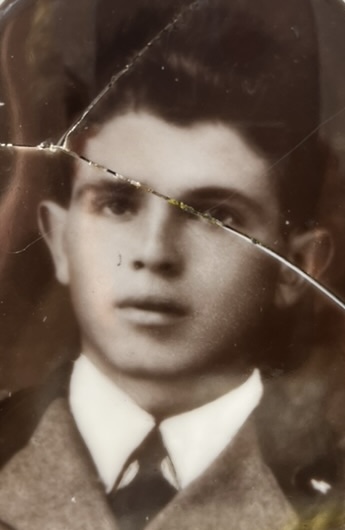
Born: 16 November 1918, San Cassiano di Controne, Bagni di Lucca.
Dead / missing: 6 May 1944, 25 Cocolaio, San Cassiano di Controne, Bagni di Lucca
- Father: Adamo Giannini
- Mother: Pia Spettoli
Summary:
- Italian soldier who died at home from decease/injury sustained during WWII.
Details:
- No details available.
Sources
- Cemetery register, see there for full grave details
- Civil register (death records) from Bagni di Lucca in 1944, entry 64, part I: https://www.familysearch.org/ark:/61903/3:1:3Q9M-CSM8-H2PH?view=explore&groupId=TH-909-54338-18434-89
Archival Notes:
- Not on Fold3
- Not in Arolson Archives
Luigi Bastiani (?-?)
Born: Unknown
Dead / missing: Unknown
- Father: Unknown
- Mother: Unknown
Summary:
- Italian soldier who died from decease/injury contracted during WWII.
Details:
- No details available.
Sources:
- Not identified in any sources.
Archival Notes:
- Not on Fold3
- Not in Cemetery Register
- Not identified in civil records (death records)
Adelmo Bastiani (1915-1943)
Born: 19 February 1915, Bagni di Lucca
Dead / missing: 31 January 1943, unknown location in Russia
- Father: Unknown
- Mother: Unknown
Summary:
- Italian soldier who went missing in Russia on January 31 1943.
Details:
Adelmo Bastiani appears in a record from the Arolsen Archives, within a list of Italian nationals associated with the Munich area compiled during or shortly after the Second World War. Although most individuals in the list were registered in 1942–1943, he is recorded with a registration date of 12 October 1939 in Munich, Germany. This earlier date likely reflects his original entry in a local registration system—such as a card index maintained by municipal authorities or the Arbeitsamt—rather than the date the list itself was created, indicating that the document draws on earlier records.
Subsequent information shows that he later served in the Italian military and was reported missing on 31 January 1943 on the Eastern Front. His presence in this later-compiled list therefore represents not a contradiction, but the reuse of earlier administrative records, capturing an earlier moment when he was in Germany before his eventual disappearance during the war.
Sources:
- Arolson Arhives: https://collections.arolsen-archives.org/en/search/person/70064171?s=adelmo%20bastiani&t=2727638&p=0
- Register of Italian casualties from WWII: https://www.difesa.it/il-ministro/ufficio-per-la-tutela-della-cultura-e-della-memoria-della-difesa/banca-dati-dei-caduti-e-dispersi-2-guerra-mondiale.html
Archival Notes
- Not on Fold3
- Not in Cemetery Register
Nazzareno Frullani (1922-1943)
Born: 5 July 1922, Bagni di Lucca
Died / Missing: 31 January 1943, Russia
- Father: Unknown
- Mother: Unknown
Summary:
Reported as having disappeared in Russia on 31 January 1943, during the final phase of the Italian campaign on the Eastern Front.
Sources:
Archival notes:
- Not found in Arolsen Archives
- Not found on FindAGrave
Ersilio Giannini (1920-1943)
Born: 23 October 1920, Bagni di Lucca.
Dead / missing: 31 January 1943, Eastern front
- Father: Unknown
- Mother: Unknown
Summary:
Italian soldier who was reported as having disappeared in Russia on 31 January 1943, during the final phase of the Italian campaign on the Eastern Front.
Details:
- No information available.
Sources:
- Register of Italian casualties from WWII: https://www.difesa.it/il-ministro/ufficio-per-la-tutela-della-cultura-e-della-memoria-della-difesa/banca-dati-dei-caduti-e-dispersi-2-guerra-mondiale.html
Archival Notes:
- Not on Fold3
- Not identified in Arolson Archives
Orlando Giannini (1922-1943)
Born: 1 April 1920, Bagni di Lucca.
Dead / missing: 31 January 1943, Eastern front
- Father: Unknown
- Mother: Unknown
Summary:
Italian soldier who was reported as having disappeared in Russia on 31 January 1943, during the final phase of the Italian campaign on the Eastern Front.
Details:
- No information available.
Sources:
- Register of Italian casualties from WWII: https://www.difesa.it/il-ministro/ufficio-per-la-tutela-della-cultura-e-della-memoria-della-difesa/banca-dati-dei-caduti-e-dispersi-2-guerra-mondiale.html
Archival Notes:
- Not on Fold3
- Not identified in Arolson Archives
Pietro Giannini (1922-1943)
Born: 20 November 1922, Bagni di Lucca.
Dead/missing: 31 January 1943, Eastern front
- Father: Unknown
- Mother: Unknown
Summary:
Italian soldier who was reported as having disappeared in Russia on 31 January 1943, during the final phase of the Italian campaign on the Eastern Front.
Details:
- No information available.
Sources:
- Register of Italian casualties from WWII: https://www.difesa.it/il-ministro/ufficio-per-la-tutela-della-cultura-e-della-memoria-della-difesa/banca-dati-dei-caduti-e-dispersi-2-guerra-mondiale.html
Archival Notes:
- Not on Fold3
- Not identified in Arolson Archives
Bruno Illidi (1918-1943)
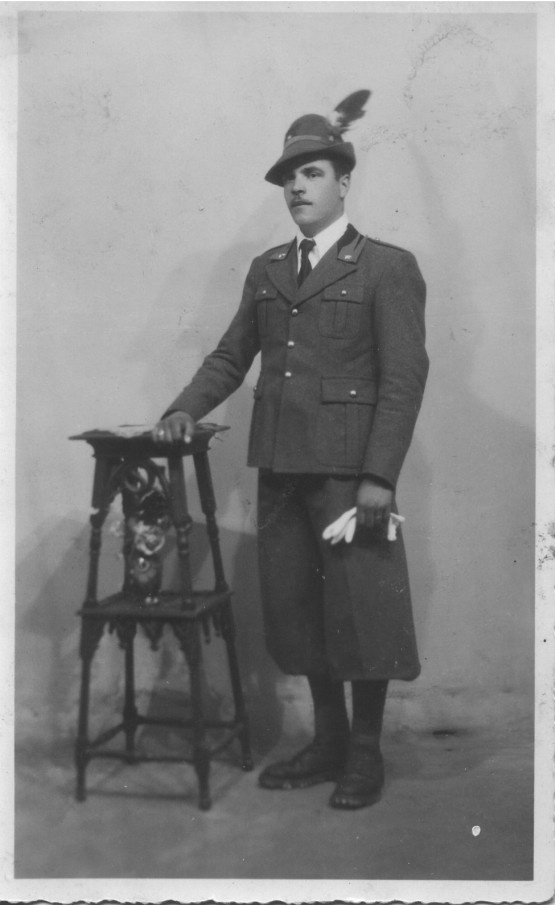
Born: 3 June 1918, Cembroni, San Cassiano di Controne, Bagni di Lucca.
Dead/missing: 31 January 1943, unknown location in Russia.
- Father: Ghilardo Illidi
- Mother: Argentina Talenti
Summary:
Reported as having disappeared in Russia on 31 January 1943, during the final phase of the Italian campaign on the Eastern Front.
Details:
No additional details have been identified.
Sources:
- List of Italian WWI casualties: https://www.cadutigrandeguerra.it/ShowImg.aspx?id=6%2fKY2bjdbhPMNoxKeVjibPCcqyMKp%2fi3Bvl7Li%2fI2LTok0PVllYYqzDjOloKguKMC6mGEeP79qeSA9iectXlH5jg7npElcoogcE3z2lmmwY%3d
Archival Notes:
- Not on FindAGrave
- Not in the Red Cross POW Archive
Oreste Menchini (?-1943)
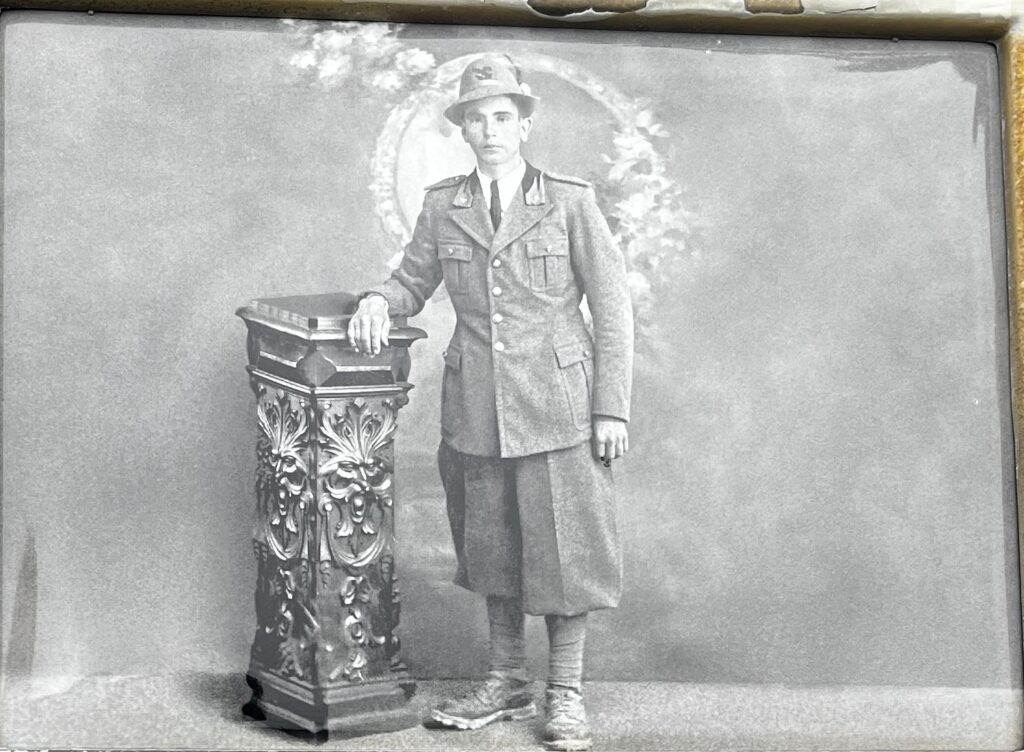
Born: 30 September 1920, Bagni di Lucca
Died / Missing: 31 January 1943, missing in action (Russia)
Summary:
Italian soldier reported missing in action on the Russian Front during World War II.
Details:
Reported as having disappeared in Russia on 31 January 1943, during the final phase of the Italian campaign on the Eastern Front.
Sources:
- Italian Ministry of Defence casualty database: https://www.difesa.it/il-ministro/ufficio-per-la-tutela-della-cultura-e-della-memoria-della-difesa/banca-dati-dei-caduti-e-dispersi-2-guerra-mondiale.html
- Cemetery memorial (with photograph)
Archival notes:
- Not found in Arolsen Archives
- Not found on Fold3
Carlo Nieri (?-?)
Born: Unknown
Dead / missing: Unknown
- Father: Unknown
- Mother: Unknown
Summary:
- No information available.
Details:
- No information available.
Sources:
- No information available.
Archival Notes:
- Not on Fold3
- Not identified in Arolson Archives
- Not in the Register of Italian casualties from WWII: https://www.difesa.it/il-ministro/ufficio-per-la-tutela-della-cultura-e-della-memoria-della-difesa/banca-dati-dei-caduti-e-dispersi-2-guerra-mondiale.html
Federico Talenti (1916-1943)
Born: 11 March or April 1916, Bagni di Lucca.
Dead / missing: Deceased or missing registered on two separate dates: January 31st 1943 and March 3rd 1943, in Russia.
- Father: Unknown
- Mother: Unknown
Summary:
- No information available.
Details:
- No information available.
Sources:
- Register of Italian casualties from WWII: https://www.difesa.it/il-ministro/ufficio-per-la-tutela-della-cultura-e-della-memoria-della-difesa/banca-dati-dei-caduti-e-dispersi-2-guerra-mondiale.html
Archival Notes:
- Not on Fold3
- Not identified in Arolson Archives
Giovanni Arrighi (ca. 1899-1918)
Born: ca. 1899 (estimated from cemetery headstone, has not been found in birth records from Bagni di Lucca in 1894-1900).
Death / Missing: 15 July 1918, Ostffyasszonyfa, Celldömölki járás, Vas, Hungary.
Details:
- Details are incomplete, but Giovanni appears to have died in a POW Camp in Austria-Hungary (present-day Hungary), where he was also buried.
- Here is more information about the POW Camp and it’s location: https://www.documenta-pannonica.eu/built-cultural-heritage/prisoner-of-war-prisoner-cemetery-in-ostffyasszonyfa/
- http://www.gutenberg-e.org/steuer/steuer.ch09.html#
Sources:
- FindAGrave: https://www.findagrave.com/memorial/215319937/giovanni-arrighi)
- Here is more information about the POW Camp and it’s location: https://www.documenta-pannonica.eu/built-cultural-heritage/prisoner-of-war-prisoner-cemetery-in-ostffyasszonyfa/
Archival Notes:
- Not on the Italian register of killed soldiers (https://www.cadutigrandeguerra.it/CercaNome.aspx)
- Not in the Red Cross POW Archive: https://grandeguerre.icrc.org/en/File/Search/#/8/2/81/0/Italian/Military/arrighi
- Not in Fold3
Fortunato Barsellotti (1895-1919)
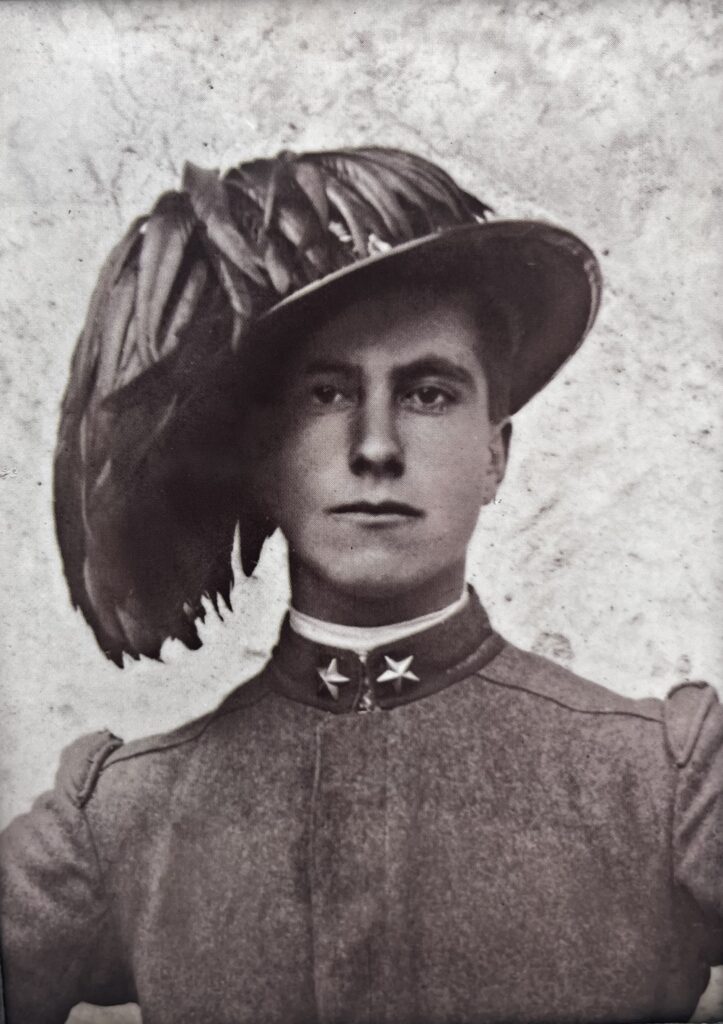
Born: 3 January 1895, Campiglia, Bagni di Lucca.
Died / Missing: 22 January 1919, Campiglia, Bagni di Lucca (died of illness)
- Father: Giuseppe Barsellotti
- Mother: Ester Fabbri
- Residence: Campiglia, San Cassiano di Controne
Summary:
Italian soldier of the 7th Bersaglieri Regiment who died of illness shortly after World War I.
Details:
“Soldato, 7° reggimento bersaglieri, nato il 3 gennaio 1895 a Bagni di Lucca (distretto militare di Lucca), morto il 22 gennaio 1919 a Bagni di Lucca per malattia.”
Sources:
- Italian WWI casualty record (https://www.cadutigrandeguerra.it/ShowImg.aspx?id=6%2fKY2bjdbhPMNoxKeVjibPCcqyMKp%2fi3Bvl7Li%2fI2LTok0PVllYYqzDjOloKguKM2iiBWJImnZLWxfdAYYintA%3d%3d)
- Civil record for death: https://www.familysearch.org/ark:/61903/3:1:3Q9M-CSDX-CQT2?view=explore&groupId=TH-909-65229-213-12&lang=en
- Photo: See Cemetery Register.
Alfredo Menchini (1879-1916)
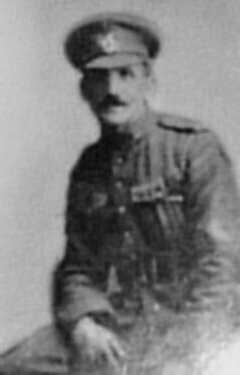
Born: 2 September 1879, San Cassiano di Controne, Bagni di Lucca.
Dead/missing: 1 November 1916, unknown location in France, buried at Adanac Military Cemetery Miraumont, Departement de la Somme, Picardie, France.
- Father: Antonio Menchini
- Mother: Maria Domenica Lucchesi
- Spouse: Rosina Ingolotti
Summary:
Canadian soldier and San Cassiano native, who died in action.
Details:
Alfredo Menchini was born in San Cassiano, but emigrated to Ontario, Canada at an unknown time. He was therefore a Canadian soldier who was “Killed in action. Burned/buried with 3 comrades in a shell hole where casualty occurred”
Sources:
- Canada, War Graves Registers, Circumstances of Casualty, 1914-1948: https://www.ancestry.ca/discoveryui-content/view/32098:1973
- Canada, CED Commonwealth War Graves Registers, 1914-1919: https://www.ancestry.ca/discoveryui-content/view/12773:1952
Archival Notes:
- Not in Aarolson Archives.
- Not on Fold3
- Not in the Red Cross POW Archive
Guido Girolami (1895-1915)
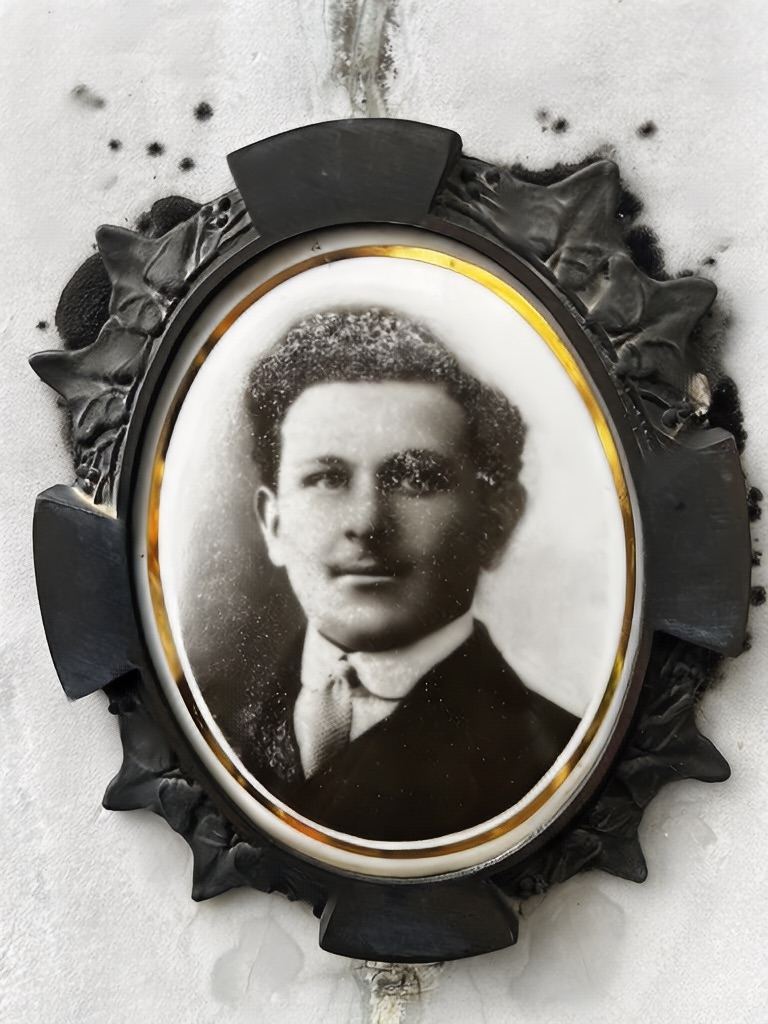
Born: 10 February 1895, Livizzano, San Cassiano di Controne, Bagni di Lucca.
Dead/missing: 16 December 1915, Tolmin, Obcina Tolmin, Republic of Slovenia
- Father: Giuseppe Calibe Girolami
- Mother: Maria Rosa Carolina Barsi
Summary:
Italian soldier who died from injuries sustained in combat.
Details:
“Soldato 90 reggimento fanteria, nato il 10 febbraio 1895 a Bagni di Lucca, distretto militare di Lucca, morto il 16 dicembre 1915 nel settore di Tolmino per ferite riportate in combattimento”
Sources:
- List of Italian WWI casualties: https://www.cadutigrandeguerra.it/ShowImg.aspx?id=6%2fKY2bjdbhPMNoxKeVjibPCcqyMKp%2fi3Bvl7Li%2fI2LTok0PVllYYqzDjOloKguKMC6mGEeP79qeSA9iectXlH5jg7npElcoogcE3z2lmmwY%3d
- Bagni di Lucca birth records: https://www.familysearch.org/ark:/61903/3:1:3QS7-99W7-NQQ8?view=explore&groupId=M9C7-N4H&lang=en
Archival Notes:
- Not on FindAGrave
- Not in the Red Cross POW Archive
Giuseppe Bastiani (1917-1943)

Born: 23 July 1917, Bagni di Lucca
Died / Missing: 31 January 1943, missing in action (Russia)
- Father: Unknown
- Mother: Unknown
Summary:
Italian soldier in the 2 alpini Divisione Alpina “Cuneense”, reported missing in action on the Russian Front during World War II.
Details:
Reported as deceased or missing on 31 January 1943 in Russia.
A cemetery headstone with military information is documented (see Cemetery Register for photos).
Sources:
- Italian Ministry of Defence casualty database:
https://www.difesa.it/il-ministro/ufficio-per-la-tutela-della-cultura-e-della-memoria-della-difesa/banca-dati-dei-caduti-e-dispersi-2-guerra-mondiale.html
Archival notes:
- Too common a name in Arolsen Archives to confirm identity
- Not found on Fold3
Ugo Barsanti (1915-1943)
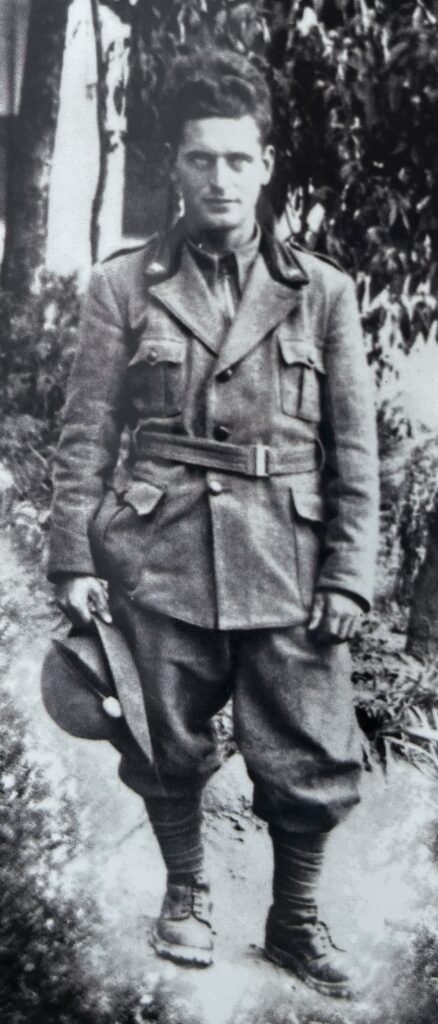
Born: 6 July 1915
Died / Missing: 19 Mar 1943, Pinyug, Kirov Oblast, Russia (see details below).
Summary:
Italian soldier associated with the Soviet POW camp and hospital system at Pinyug, Kirov Oblast, Russia during World War II.
Details:
- A cemetery headstone provides key identifying and military information, see Cemetery Register.
Pinyug (also recorded as Pinjuk) functioned as a hospital and recuperation site within the Soviet POW system. During 1942–1943, it hosted Special Hospital No. 2074 (СПЕЦГОСПИТАЛЬ № 2074), an evacuation hospital. The site later became a detention location for prisoners of war, including Italians.
A large number of POWs died in the area and were buried in local cemeteries, while others were repatriated in the early 1950s. Cemetery and hospital records from Pinyug include documented burials of Italian prisoners, indicating that this location is directly relevant to the circumstances of Ugo Barsanti.
Sources:
- Cemetery headstone with military information (see Cemetery Register)
- CIA document referencing Pinjuk/Pinyug: https://archive.org/details/CIA-RDP82-00373R000200070012-9/page/n1/mode/2up?q=pinjuk
- Regional historical record (Pinyug, POW burials): https://rodnaya-vyatka.ru/places/95433?utm_source=chatgpt.com (“In 1942 – 1943 there was an evacuation hospital (SPECIAL HOSPITAL № 2074) in the village, then prisoners of war were moved here: Germans, Italians, Hungarians, Romanians, Austrians. More than a thousand prisoners were buried in local cemeteries, the rest were sent to their homeland in the early 50s”).
- Study on foreign POW burials in Kirov region: https://cyberleninka.ru/article/n/zahoroneniya-inostrannyh-voennoplennyh-velikoy-otechestvennoy-voyny-v-kirovskoy-oblasti-rezultaty-poiskovyh-i-blagoustroitelnyh-rabot?utm_source=chatgpt.com
- Pinyug overview: https://en.wikipedia.org/wiki/Pinyug
- POW statistics (Pinyug): https://dzen.ru/a/XThensSfKQCtFhNc
- Hospital and cemetery documentation (Special Hospital No. 2074): https://vk.com/@mila__ev-kladbische-voennoplennyh-specialnogo-gospitalya-2074-p-pinug
Archival notes:
- No confirmed match in Arolsen Archives
- Not found on Fold3
Amedeo Silvestri (1893-1916)
Born: 2 March 1893, Cocolaio, San Cassiano di Controne, Bagni di Lucca
Died / Missing: 20 October 1916, died of illness (Field Hospital No. 240, see details below)
- Father: Mario Valente Silvestri
- Mother: Carmina Fabbri
Summary:
Italian soldier of the 20th Cavalleggeri di Roma Regiment who died of illness in a military camp uring World War I.
Details:
- “Soldato, reggimento Cavalleggeri di Roma (20°), nato il 2 marzo 1893 a Bagni di Lucca, morto il 20 ottobre 1916 nell’ospedale da campo n. 240 per malattia.” (https://www.cadutigrandeguerra.it/ShowImg.aspx?id=6%2fKY2bjdbhPMNoxKeVjibPCcqyMKp%2fi3Bvl7Li%2fI2LTok0PVllYYqzDjOloKguKMXEa6JZREAHmIkw9H2hr%2bSsd6l%2fRGYKFUcqecXufLp2g%3d)
- Field Hospital No. 240 was located in Mestre (near Venice) or Perteole (Udine).
Sources:
- Italian WWI casualty record:
https://www.cadutigrandeguerra.it/ShowImg.aspx?id=6%2fKY2bjdbhPMNoxKeVjibPCcqyMKp%2fi3Bvl7Li%2fI2LTok0PVllYYqzDjOloKguKMXEa6JZREAHmIkw9H2hr%2bSsd6l%2fRGYKFUcqecXufLp2g%3d - Field hospital reference list: https://www.riccardoravizza.com/index.php/articoli/prima-guerra-mondiale/528-elenco-unita-e-ospedali-da-campo-1915-18
Archival notes:
- Not found in the Red Cross POW Archive.
Costantino Fabbri (1891-1916)
Born: 11 March 1891, Piazza, San Cassiano di Controne, Bagni di Lucca.
Dead/missing: 4 July 1916, Monfalcone, Gorizia, Friuli Venezia Giulia, Italy.
- Father: Iacopo Fabbri
- Mother: Dusolina Fava
Summary:
Italian soldier who died from a grenade explosion during military action in Northern Italy.
Details:
“Died as a result of a grenade explosion during military action. He was buried in Monfalcone, as recorded in the report dated the 14th [of July] prepared by the acting commander and medical officer of the 15th Company, Aspirant Officer Patteri Guido, and signed by the same doctor and by Corporal Schianchi Carlo, as witnesses.”
Sources:
- List of Italian WWI casualties: https://www.cadutigrandeguerra.it/ShowImg.aspx?id=6%2fKY2bjdbhPMNoxKeVjibPCcqyMKp%2fi3Bvl7Li%2fI2LTok0PVllYYqzDjOloKguKMC6mGEeP79qeSA9iectXlH5jg7npElcoogcE3z2lmmwY%3d
- Bagni di Lucca death records: https://www.familysearch.org/ark:/61903/3:1:3Q9M-CSDX-C75H?view=explore&groupId=TH-909-65229-213-12&lang=en
Archival Notes:
- Not on FindAGrave
- Not in the Red Cross POW Archive
Giovanni Castelli (?-?)
Born: Unknown
Dead/missing: Unknown
- Father: Unknown
- Mother: Unknown
Summary:
No information available.
Details:
No information available.
Sources:
No information available.
Archival Notes:
- This could be him at the Italian Military Cemetery in France: https://www.findagrave.com/memorial/211020328/giovanni-castelli
- Birth information checked with Bagni di Lucca birth records, and he is not entered in the civil records of Bagni di Lucca.
- Not in the Red Cross POW Archive.
Orazio Bastiani (1894-1918)
Born: 29 August 1894, Cappella, San Cassiano di Controne, Bagni di Lucca
Dead / missing: 6 May 1918, unknown location in France.
- Father: Iacopo Bastiani
- Mother: Rachele Fabbri
Summary:
Italian soldier who died of wounds sustained in combat, in an unknown location in France.
Details:
“Soldato 62 compagnia laboratori, nato il 29 agosto 1894 a Bagni di Lucca, distretto militare di Lucca, morto il 6 maggio 1918 in Francia per ferite riportate in combattimento”:
Sources:
- Birth record: https://www.familysearch.org/ark:/61903/3:1:3QS7-89W7-NQK8?view=explore&groupId=M9C7-N44&lang=en
- List of Italian WWI casualties: https://www.cadutigrandeguerra.it/ShowImg.aspx?id=6%2fKY2bjdbhPMNoxKeVjibPCcqyMKp%2fi3Bvl7Li%2fI2LTok0PVllYYqzDjOloKguKM6uN0qjCBD8gi59Fk5AUzSg%3d%3d
Archival Notes:
- Not on FindAGrave
- Not in the Red Cross POW Archive.
Giuseppe Bastiani (1884-1918)
Born: 2 December 1884, Cembroni, San Cassiano di Controne, Bagni di Lucca
Dead / missing: 20 Oct 1918, military hospital n. 074, likely in Mestre, Venice.
- Father: Giovanni Bastiani
- Mother: Massimina Giannini
Summary:
Italian soldier who died of illness (bronchopulmonia, ‘Spanish flu’) in military hospital n. 074, likely located in Mestre, Venice.
Details:
“Soldato 47 reggimento artiglieria da campagna, nato il 2 dicembre 1884 a Bagni di Lucca, distretto militare di Lucca, morto il 20 ottobre 1918 nell’ospedale da campo n. 074 per malattia”. The death record, which was also entered into the civil records of Bagni di Lucca, confirms that Giuseppe died of ‘bronchopulmonia’, or ‘Spanish flu’ in a military hospital located in or near Mestre, Venice. See sources for additional details.
Sources:
- Birth record from Bagni di Lucca: https://www.familysearch.org/ark:/61903/3:1:3QS7-99WQ-57ZV?view=explore&groupId=M9C7-FYB
- Death record from Bagni di Lucca; https://www.familysearch.org/ark:/61903/3:1:3Q9M-CSDX-C91W?view=explore&groupId=TH-909-65229-213-12&lang=en (link unavailable as of 13 April 2026).
- List of Italian WWI casualties: https://www.cadutigrandeguerra.it/ShowImg.aspx?id=6%2fKY2bjdbhPMNoxKeVjibPCcqyMKp%2fi3Bvl7Li%2fI2LTok0PVllYYqzDjOloKguKM6uN0qjCBD8gi59Fk5AUzSg%3d%3d
Archival Notes:
- Not on FindAGrave
- Not in the Red Cross POW Archive.
Francesco Bastiani (1898-1918)
Born: 12 December 1898, Vizzata, San Cassiano di Controne, Bagni di Lucca.
Dead / missing: 26 March 1918, unknown location
- Father: Stefano Bastiani
- Mother: Caterina Bastiani
Summary:
Italian soldier who died of illness in unknown prison.
Details:
“Soldato 20o reggimento fanteria, nato il 12 dicembre 1898 a Bagni di Lucca, distretto militare di Lucca, morto il 26 marzo 1918 in prigionia per malattia”
Sources:
- Birth record: https://www.familysearch.org/ark:/61903/3:1:3QS7-L9W7-J3RP?view=explore&groupId=M9C7-N48&lang=en
- List of Italian WWI casualties: https://www.cadutigrandeguerra.it/ShowImg.aspx?id=6%2fKY2bjdbhPMNoxKeVjibPCcqyMKp%2fi3Bvl7Li%2fI2LTok0PVllYYqzDjOloKguKM6uN0qjCBD8gi59Fk5AUzSg%3d%3d
Archival Notes:
- Not on FindAGrave
- Not in the Red Cross POW Archive
Giacinto Mariani (1890-1916)
Giacinto Mariani
Born: 18 March 1890, Cocolaio, San Cassiano di Controne, Bagni di Lucca.
Dead/missing: 11 March 1916, Krast region, present-day Slovenia
- Father: Paolo “Paolino” Mariani
- Mother: Maria Adelinda Talenti
Summary:
Italian soldier who died from injuries sustained in combat.
Details:
“Soldato 22 reggimento fanteria, nato il 18 marzo 1890 a Bagni di Lucca, distretto militare di Lucca, morto 11 marzo 1916 sul Carso per ferite riportate in combattimento”
Sources:
- List of Italian WWI casualties: https://www.cadutigrandeguerra.it/ShowImg.aspx?id=6%2fKY2bjdbhPMNoxKeVjibPCcqyMKp%2fi3Bvl7Li%2fI2LTok0PVllYYqzDjOloKguKMC6mGEeP79qeSA9iectXlH5jg7npElcoogcE3z2lmmwY%3d
- Bagni di Lucca birth records: https://www.familysearch.org/ark:/61903/3:1:3QSQ-G9W7-NWX5?view=explore&groupId=M9C7-N43&lang=en
Archival Notes:
- Not on FindAGrave
- Not in the Red Cross POW Archive
Giuseppe Bastiani (1917-1943)
Giuseppe Bastiani
Born: 23 July 1917, Bagni di Lucca
Dead / missing: 31 January 1943, unknown location in Russia
- Father: Unknown
- Mother: Unknown
Summary:
- Italian soldier who went missing in Russia on January 31 1943.
Details:
- From Cemetery headstone: “Soldato disperso sul fronte russo nel 1943 2 Alpini Divisone Alpina “Cuneense””
Sources:
- Cemetery register, contains military information.
- Register of Italian casualties from WWII: https://www.difesa.it/il-ministro/ufficio-per-la-tutela-della-cultura-e-della-memoria-della-difesa/banca-dati-dei-caduti-e-dispersi-2-guerra-mondiale.html
Archival Notes:
- Not on Fold3
- Not identified in Arolson Archives, as the name is too common.
Pier Luigi Silvestri (1896-1917)
Pier Luigi Silvestri
Born: 24 August 1896, Cocolaio, San Cassiano di Controne, Bagni di Lucca
Died / Missing: 25 August 1917, died of wounds (Bainsizza Plateau, see details below)
- Father: Valente Silvestri
- Mother: Carmina Fabbri
Summary:
Italian soldier of the 208th Infantry Regiment who died of wounds sustained in combat during World War I.
Details:
- “Soldato, 208° reggimento fanteria, nato il 24 agosto 1896 a Bagni di Lucca (distretto militare di Lucca), morto il 25 agosto 1917 sull’altipiano di Bainsizza per ferite riportate in combattimento.”
- The Bainsizza Plateau, located along the Isonzo front (now in western Slovenia), was the site of intense fighting during the Eleventh Battle of the Isonzo, a major Italian offensive against Austro-Hungarian forces. Soldiers of units such as the 208th Infantry Regiment were heavily engaged in these assaults, which were marked by difficult terrain, heavy casualties, and limited territorial gains despite initial advances.
Sources:
- Italian WWI casualty record:
https://www.cadutigrandeguerra.it/ShowImg.aspx?id=6%2fKY2bjdbhPMNoxKeVjibPCcqyMKp%2fi3Bvl7Li%2fI2LTok0PVllYYqzDjOloKguKMXEa6JZREAHmIkw9H2hr%2bSsd6l%2fRGYKFUcqecXufLp2g%3d
Archival notes:
- Not found on FindAGrave
- Not found in the Red Cross POW Archive
Francesco Tomei (1893-1918)
Francesco Tomei
Born: 2 February 1893, Campiglia, San Cassiano di Controne, Bagni di Lucca
Died / Missing: 30 October 1918, Military hospital in camp n.014 (see details below)
- Father: Basilio Tomei
- Mother: Colomba Barsellotti
Summary:
Italian soldier of the 3rd Mountain Artillery Regiment who died in field hopsital number 014, from wounds sustained in combat.
Details:
- “Soldato 3 reggimento artiglieria da montagna, nato il 2 febbraio 1893 a Bagni di Lucca, distretto militare di Lucca, morto il 30 ottobre 1918 nell’ospedale da campo n.014 per ferite riportate in combattimento”
- According to this list of military hospital camps, Campo 014 was also called “La Fredda”, also Latisana in Udine, Northern Italy: https://www.riccardoravizza.com/index.php/articoli/prima-guerra-mondiale/528-elenco-unita-e-ospedali-da-campo-1915-18 .
- In 1918, campo no. 14 was located in Belluno, Veneto, Northern Italy: https://www.riccardoravizza.com/index.php/articoli/prima-guerra-mondiale/528-elenco-unita-e-ospedali-da-campo-1915-18
Sources:
- Italian WWI casualty records:
https://www.cadutigrandeguerra.it/ShowImg.aspx?id=6%2fKY2bjdbhPMNoxKeVjibPCcqyMKp%2fi3Bvl7Li%2fI2LTok0PVllYYqzDjOloKguKMXEa6JZREAHmIkw9H2hr%2bSsd6l%2fRGYKFUcqecXufLp2g%3d
Archival notes:
- Not found on Find a Grave
- Not found in the Red Cross POW Archive
-
Telesforo Vazzi (1887-1917)
Telesforo Vazzi
Born: 4 January 1887, Lucca.
Died / Missing: 9 February 1917, Tolmin in present-day Slovenia.
- Father: unknown, likely foundling
- Mother: unknown, likely foundling
Summary:
Italian soldier in the 156th Infantry Regiment, born in Lucca to unknown parents, who died from wounds sustained in combat in Tolmin (Tolmino), in present-day Slovenia.
Details:
- “soldato 156 reggimento fanteria, nato il 4 gennaio 1887 a Lucca, distretto militare di Lucca, morto il 9 febbraio 1917 nel settore di Tolmino per ferite riportare in compattimento”
Sources:
- Italian WWI casualty record: https://www.cadutigrandeguerra.it/ShowImg.aspx?id=6%2fKY2bjdbhPMNoxKeVjibPCcqyMKp%2fi3Bvl7Li%2fI2LTok0PVllYYqzDjOloKguKMTBpuaU84UVBgnLc22o6sZFe2KxGHOgr7ch1eVNKZmak%3d
Archival notes:
- Not found in the Red Cross POW Archive
- Not found on FindAGrave
Stefano Bassoi (1890-1915)
Stefano Bassoi
Born: 6 February 1890, Cocolaio, San Cassiano di Controne, Bagni di Lucca.
Dead / missing: ca. 1 April 1915, likely in France (see details below).
- Father: Giovanni Martino Bassoi
- Mother: Erminia/Carmelinda Franceschi
Summary:
- Italian private soldier of the 2nd Foreign Regiment (France)
Details:
Stefano Bassoi, born in Bagni di Lucca in 1890, is recorded as a “Legionnaire of 2nd Class” in the French Foreign Legion—the equivalent of a private soldier in his death record from 1915. This indicates he was a regular frontline infantryman, likely with limited time in service. His enlistment in the Legion reflects a broader historical pattern: before Italy entered the First World War in May 1915, many Italians volunteered to fight for France by joining units such as the 2e Régiment Étranger, which accepted foreign nationals. These volunteers were often driven by political sympathy for France or opposition to Austria-Hungary, and many served in formations associated with the Garibaldi Legion.
Although his death certificate is administratively linked to Mascara and Oran in Algeria, this reflects the Legion’s depot system rather than the location of his death. Bassoi died on April 1, 1915, from wounds sustained in combat, almost certainly on the Western Front in France, where Foreign Legion units were actively engaged in major operations such as the Second Battle of Champagne.
Italian volunteers in the French Foreign Legion, including those of the Garibaldi Legion, fought primarily in the Argonne sector in late 1914 and early 1915, where the unit suffered heavy losses and was largely disbanded by spring 1915. While Foreign Legion units as a whole later participated in offensives in Champagne in 1915, the Italian volunteer formations had mostly ceased to exist by that stage.
His death was later certified through the Legion’s administrative command in North Africa and only formally transmitted to Italian civil authorities in 1919, a common delay for foreign volunteers whose service records had to pass through multiple military and bureaucratic channels.
Sources:
- Bagni di Lucca civil (death) record, part 2, entry 25, p. 262: https://www.familysearch.org/ark:/61903/3:1:3Q9M-CSDX-CQ8X?view=explore&groupId=TH-909-65229-213-12&lang=en
- Bagni di Lucca civil (birth) record, part 1, entry 42, p. 18: https://www.familysearch.org/ark:/61903/3:1:3QS7-L9W7-NW27?view=explore&groupId=M9C7-N43&lang=en
- https://journals.sagepub.com/doi/10.17104/1611-8944-2016-3-359?utm_source=chatgpt.com
Archival Notes:
- Not on FindAGrave
- Not in the Red Cross POW Archive
- Not in list of Italian WWI Casualties (likely due to foreign/French associations)
Amos Giovanni Pini (1893-1918)
Amos Giovanni Pini
Born: 15 February 1893, Cappella, San Cassiano di Controne, Bagni di Lucca.
Dead/missing: 14 June 1918, from illness in a prison at an unknown location, most likely in the Austro-Hungarian Empire (see below).
- Father: Antonio Pini
- Mother: Maria Lucia Arrighi
Summary:
Italian soldier who died from illness in a prison at an unknown location. According to the list of Italian WWI casualties, Amos is buried at the Marchtrenk military cemetery in Austria.
Details:
- “Soldato 36 reggimento fanteria, nato il 15 February 1893 a Bagni di Lucca, distretto militare di Lucca, morto il 14 giugno 1918 in prigiona per malattia”
- The burial of Amos, of the 36th Infantry Regiment, at Marchtrenk indicates that he died in captivity within the Austro-Hungarian Empire rather than on the Italian Front. Records show that he died of illness in June 1918 while held as a prisoner of war. Following large-scale captures of Italian troops—particularly after the Battle of Caporetto—many soldiers were transferred to camps across Austria-Hungary, including Upper Austria. Mortality among these prisoners increased in the final year of the war, reflecting the deteriorating conditions within the empire, including shortages of food and medical supplies. The cemetery at Marchtrenk, where a substantial number of Italian prisoners were buried (ca. 1300), provides a documented burial location for soldiers who died in captivity during this period.
- The military cemetery of Marchtrenk, Upper Austria, Austria: https://commons.wikimedia.org/wiki/File:War_cemetery_for_World_war_I_in_Marchtrenk,_Upper_Austria,_Austria-russian_section-field_W-upper_PNr°0645.jpg

Sources:
- List of Italian WWI casualties: https://www.cadutigrandeguerra.it/ShowImg.aspx?id=6%2fKY2bjdbhPMNoxKeVjibPCcqyMKp%2fi3Bvl7Li%2fI2LTok0PVllYYqzDjOloKguKM1dGyqz4waMDwagHixuNjHPDMfDUc7zYw5WbtB5JONWk%3d
- Bagni di Lucca birth records, part I, entry 54, p. 20: https://www.familysearch.org/ark:/61903/3:1:3QSQ-G9W7-N7Z2?view=explore&groupId=M9C7-N4W&lang=en
Archival Notes:
- Not on FindAGrave
- Not in the Red Cross POW Archive
Iacopo Fabbri (1891-1918)
Iacopo Fabbri
Born: 17 November 189, Cembroni, San Cassiano di Controne, Bagni di Lucca.
Dead/missing: 11 November 1918, Civitavecchia, Rome, Italy
- Father: Giuseppe Fabbri
- Mother: Maria Caterina Bastiani
Summary:
Italian soldier who died at a military hospital in Civitavecchia, Rome.
Details:
“Soldato 82 reggimento fanteria, nato il 17 november 1891 a Bagni di Lucca, distretto militare di Lucca, morto l’11 novembre 1918 a Civitavecchia per malattia “
Sources:
- List of Italian WWI casualties: https://www.cadutigrandeguerra.it/
- Bagni di Lucca birth records, part I, entry 324, p. 113: https://www.familysearch.org/ark:/61903/3:1:3QS7-L9W7-N7YK?view=explore&groupId=M9C7-N4Q&lang=en
- Bagni di Lucca death records (link not working as of 18 Apr 2026, but the death record is available in the database on this website): https://www.familysearch.org/ark:/61903/3:1:3Q9M-CSDX-CW2Q?view=explore&groupId=TH-909-65229-213-12&lang=en
Archival Notes:
- Not on FindAGrave
- Not in the Red Cross POW Archive
Adolfo Bastiani (1898-1917)
Adolfo Bastiani
Born: 22 January 1898, Cembroni, San Cassiano di Controne, Bagni di Lucca.
Dead / missing: 1 September 1917, military hospital of camp 220.
- Father: Giovanni Bastiani
- Mother: Massimina Giannini
Summary:
Italian soldier of the 1st Heavy Artillery Regiment, who died in a field hospital on 1 September 1917.
Details:
During the peak of the 11th Battle of the Isonzo in August 1917, the 1st Heavy Field Artillery Regiment undertook the Herculean effort of hauling massive 149mm cannons up the rugged Bainsizza Plateau to provide vital creeping barrages for the advancing infantry, all while under constant threat from Austro-Hungarian counter-battery fire. Following this grueling offensive, Adolfo Bastiani was evacuated to Ospedaletto da Campo n. 220, a mobile medical hub for the Second Army, likely situated in the Judrio Valley or near Cividale del Friuli. By September 1917, this hospital was overwhelmed with casualties from the brutal consolidation of the plateau and intense retaliatory shelling, serving as the critical triage point for those who had endured the extreme physical toll and high-intensity combat of the summer push.
Sources:
- List of Italian WWI casualties: https://www.cadutigrandeguerra.it/
- Bagni di Lucca civil (birth) record, part 1, entry 25, p. 11: https://www.familysearch.org/ark:/61903/3:1:3QS7-L9W7-JQ33?view=explore&groupId=M9C7-N48&lang=en
Archival Notes:
- Not on FindAGrave
- Not in the Red Cross POW Archive
Romolo Barsetti (1892-1915)
Romolo Barsetti
Born: 7 June 1892, Cembroni, San Cassiano di Controne, Bagni di Lucca.
Dead / missing: 23 October 1918, of the “Spanish flu” in military hospital of camp 150.
- Father: Silvio Barsetti
- Mother: Nicola Barsellotti
Summary:
“Private, 1st Fortress Artillery Regiment, born on June 7, 1892, in Bagni di Lucca, military district of Lucca, died on October 23, 1918, in field hospital no. 150 due to illness”
Details:
- Transcription of the death record (no longer available online), using Claude Sonnet 4.6:
[Opening lines – partial, top of page] “dal Comando con atto storico febbraio mille novecento dodici debitamente approvato. L’Ufficiale dello Stato Civile del Comune dei Bagni di Lucca avendo ricevuto dal ministero della guerra copia autentica di atto di morte, ha per intero ed esattamente trascritta detta copia con tenore dato.
Estratto dell’atto di morte del soldato Barsetti Romolo, inscritto sul registro fascicolo due tenuto dall’Ospedaletto da Campo Numero 150 a pagina trentasette numero trentacinque d’ordine.
Il sottoscritto Tenente d’Amministrazione Bocca Lorenzo incaricato della tenuta dei registri di Stato Civile presso l’Ospedaletto da Campo numero centocinquanta dichiara che nel registro degli atti di morte fascicolo 2° a pagina trentasette al numero trentacinque d’ordine trovasi inscritto quanto segue:
L’anno mille novecento diciotto addi ventitré del mese di ottobre nell’Ospedaletto da campo numero centocinquanta morirono ai vivi alle ore non in età di anni ventisei il Soldato Romolo Barsetti dello 33° Battaglione d’artiglieria 1° Reggimento Artiglieria da fortezza matricola 40225 (14) native di Bagni di Lucca provincia di Lucca, figlio di Fabio e di [?] Barselletti Nicola, morto in seguito a bronco polmonite da influenza, sepolto al cimitero come consta dall’attestazione delle persone a piè del presente sottoscritte.
Il Caporale di sanità firmato: Mario Rovelli — Giovanni soldato di sanità: Lepori Luigi — L’Ufficiale Medico Tenente Passale Gino il maggiore medico dottore.
Firmato: Mikillo Giamini
Per copia autentica l’Ufficiale d’Amministrazione — Firmato: Lorenzo Bocca.
Eseguita la trascrizione ho munito del mio visto la copia suddetta e l’ho inserta nel volume degli allegati a questo registro.
L’Ufficiale di Stato Civile — [Signature]“
Sources:
- List of Italian WWI casualties: https://www.cadutigrandeguerra.it/
- Bagni di Lucca civil (death) record, part II, entry 17 p. 258 (not available online as of 18 Apr 2026, see transcription and translation above):
Archival Notes:
- Not on FindAGrave
- Not in the Red Cross POW Archive
Carlo Bastiani (?-?)
Carlo Bastiani
Born: Unknown
Dead / missing: Unknown
- Father: Unknown
- Mother: Unknown
Summary:
No information available.
Details:
No information available
Sources:
- No sources available.
Archival Notes:
- Not on FindAGrave, nor BillionGraves
- Not in the Red Cross POW Archive
- Not on Ancestry, MyHeritage, nor FamilySearch
- Not in French casualty lists
- Not in American military records
- Not in Cemetery register
Giuseppe Giannini (1895-1917)
Giuseppe Giannini
Born: 31 October 1895, Cembroni, San Cassiano di Controne, Bagni di Lucca.
Dead/missing: 20 August 1917, Krast region, present-day Slovenia
- Father: Giovanni Iacopo Giannini
- Mother: Maria Iacopo Fabbri
Summary:
- Italian soldier who died from injuries sustained in combat.
Details:
- “Soldato 259 reggimento fanteria, nato il 31 ottobre 1895 a Bagni di Lucca, distretto militare di Lucca, disperso il 20 agosto 1917 sul Carso in combattimento”
Giuseppe Bastiani, born on October 31, 1895, in Bagni di Lucca, served as a soldier in the 259th Infantry Regiment of the Brigata “Murge” within the Lucca military district. During the Eleventh Battle of the Isonzo, his unit was deployed to the Carso, a limestone plateau characterized by rocky terrain that generated secondary stone splinter fragments during artillery bombardments. On August 20, 1917, during the offensive operations aimed at breaching Austro-Hungarian lines, Bastiani was officially recorded as missing in action (disperso) in combat. The military records indicate he disappeared during a phase of the battle marked by high-intensity heavy artillery fire and tactical maneuvers across the Karst landscape
Sources:
- List of Italian WWI casualties: https://www.cadutigrandeguerra.it/
- Bagni di Lucca birth records, part I, entry 325, p. 111: https://www.familysearch.org/ark:/61903/3:1:3QS7-L9W7-NQMJ?view=explore&groupId=M9C7-N4H
Archival Notes:
- Not on FindAGrave
- Not in the Red Cross POW Archive
Fabio Giannini (1892-1915)
Fabio Giannini
Born: 2 October 1892, Cocolaio, San Cassiano di Controne, Bagni di Lucca.
Dead/missing: 28 November 1915, Krast region, present-day Slovenia
- Father: Alessandro Giannini
- Mother: Mansieta? Mariani
Summary:
Italian soldier who died from injuries sustained in combat.
Details:
- “Soldato 22 reggimento fanteria, nato il 2 ottobre 1892 a Bagni di Lucca, distretto militare di Lucca, morto il 28 novembre 1915 sul Carso per ferite riportate in combattimento”
Born on October 2, 1892, in Bagni di Lucca, this Fabio served in the 22nd Infantry Regiment within the Lucca military district during the early stages of the Italian involvement in World War I. His unit was deployed to the Carso plateau, specifically engaging in the Fourth Battle of the Isonzo against Austro-Hungarian forces. On November 28, 1915, he died as a result of trauma and injuries sustained during active combat operations in the rocky Karst sector. His death occurred during a period of sustained offensive actions focused on the heights of San Martino del Carso, and he is listed among the military casualties recognized by Italy.
Sources:
- List of Italian WWI casualties: https://www.cadutigrandeguerra.it/ShowImg.aspx?id=6%2fKY2bjdbhPMNoxKeVjibPCcqyMKp%2fi3Bvl7Li%2fI2LTok0PVllYYqzDjOloKguKM10R4QrFFxt3DDydUHuyGZvSrBx1L%2biKLgOsh5ZYRWI0%3d
- Bagni di Lucca civil (birth) record, part I, entry 258, p. 88: https://www.familysearch.org/ark:/61903/3:1:3QS7-L9W7-N7K7?view=explore&groupId=M9C7-N47&lang=en
Archival notes:
- Not in Aarolson Archives.
- Not in the Red Cross POW Archive:
- Not on FindAGrave
Orlando Silvestri (1896-1918)
Born: 14 October 1896, San Cassiano di Controne, Bagni di Lucca/
Dead/missing: 4 March 1918, likely in Mauthausen concentration camp, buried at the Italian military cemetery of Mauthausen, Upper Austria, Austria.
- Father: Angelo Silvestri
- Mother: Filomena Pisani
Summary:
- “Soldato 208 reggimento fanteria, nato il 14 ottobre 1896 a Bagni di Lucca, distretto militare di Lucca, morto il 4 marzo 1918 in prigiona per malattia”
Details (with assistance of Google Gemini):
During WWI, Mauthausen (located in Upper Austria) was the site of one of the largest Austro-Hungarian prisoner-of-war (POW) camps.
- The Capture: Most soldiers buried in Mauthausen were captured during the Battle of Caporetto in late October and November 1917. Given that Orlando died in March 1918, it is highly probable he was captured during that massive Italian retreat and had been in the camp for roughly four to five months.
- The Cause of Death (“Malattia”): While the record officially lists “illness,” this was a consequence of the systemic conditions in Austro-Hungarian camps during the final year of the war.
- Starvation: Due to the British naval blockade, the Austro-Hungarian Empire faced severe food shortages. POWs were the lowest priority for rations.
- Edema and Tuberculosis: Thousands of Italian prisoners died from “hunger edema” and respiratory diseases exacerbated by malnutrition and the harsh Austrian winter.
- The “Winter of Hunger”: The period between January and March 1918 was the deadliest for Italian POWs. Orlando’s death on March 4 coincides with the peak mortality rate in these camps.
The 208th Infantry Regiment (Brigata Taro)
In late 1917, the 208th Regiment was involved in the defensive battles following the collapse of the Isonzo front. During the retreat to the Piave River, many units of the 208th were tasked with “rearguard” actions to slow down the German and Austro-Hungarian advance. These units were frequently surrounded and captured in large groups as they protected the withdrawal of the main Italian army.
Final Resting Place
Orlando is buried in the Cimitero Militare Italiano di Mauthausen. After the war, the Italian government consolidated the remains of soldiers who died in various Austro-Hungarian camps into this centralized memorial.
Sources:
- List of Italian WWI casualties: https://www.cadutigrandeguerra.it/ShowImg.aspx?id=6%2fKY2bjdbhPMNoxKeVjibPCcqyMKp%2fi3Bvl7Li%2fI2LTok0PVllYYqzDjOloKguKMXEa6JZREAHmIkw9H2hr%2bSsd6l%2fRGYKFUcqecXufLp2g%3d
Archival Notes:
- Not in Arolson Archives
- Not in Fold3
- Not on FindAGrave, BIlliongraves
- Not on list of Prisoners of the First World War (ICRC Historical Archives).
Ugo Barsanti (1915-1943)
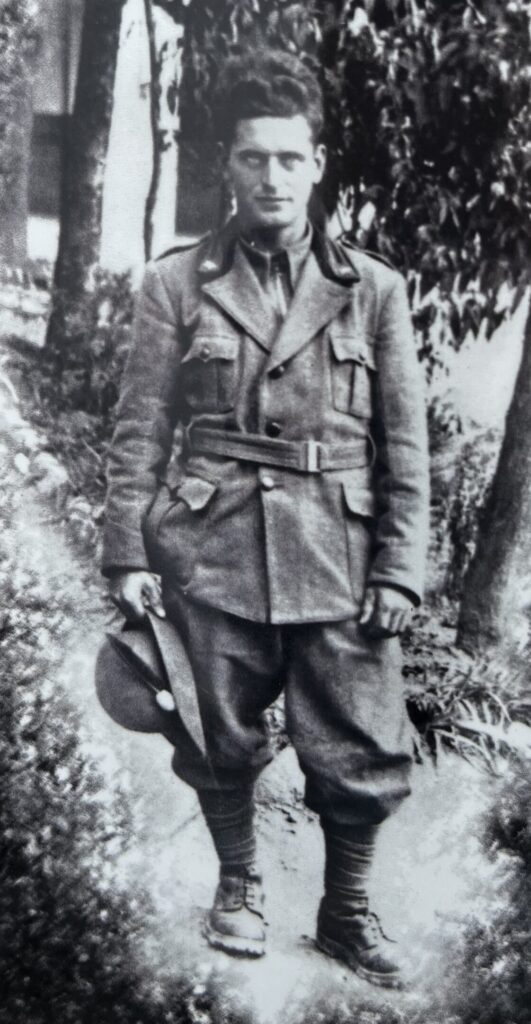
Ugo Barsanti
Born: 6 July 1915, Bagni di Lucca
Dead / missing: 19 March 1943, Pinyug, present-day Russia.
- Father: Unknown
- Mother: Unknown
Summary:
- Italian soldier who died in Pinyug concentration camp in present-day Russia.
Details:
Ugo Barsanti, identified as a member of the Alpini corps from Bagni di Lucca, disappeared following the Soviet offensives on the Don front in early 1943. His death on March 19, 1943, occurred at the Pinyug prisoner-of-war camp (NKVD No. 101) in the Kirov region of the Soviet Union. This location functioned as a remote detention center where high mortality rates were recorded among Italian military personnel due to epidemic disease (typhus) and nutritional deficiencies in the months following the Italian Eighth Army’s retreat, alongside cold temperatures down to -30C. His remains are likely located in one of the mass burial sites associated with the former camp infrastructure at Pinyug.
Sources:
- Cemetery register
- List of Italian WWII casualties: https://www.difesa.it/il-ministro/ufficio-per-la-tutela-della-cultura-e-della-memoria-della-difesa/banca-dati-dei-caduti-e-dispersi-2-guerra-mondiale.html
- The First Guidebook to Prisons and Concentration Camps of the Soviet Union, by Avraham Shifrin: https://vtoraya-literatura.com/pdf/shifrin_the_first_guidebiik_to_prisons_and_concentrations_camps_of_soviet_union_1982__ocr.pdf
Archival Notes:
- Not on Fold3
- Not on Ancestry, FamilySearch
Bartolomeo Fabbri (1922-1943)
Born: 16 October 1922, San Cassiano di Controne, Bagni di Lucca
Dead / missing: 31 January 1943, Russia
- Father: Unknown
- Mother: Unknown
Summary:
- No information available.
Details:
- No information available.
Sources:
- List of Italian WWII casualties: https://www.difesa.it/il-ministro/ufficio-per-la-tutela-della-cultura-e-della-memoria-della-difesa/banca-dati-dei-caduti-e-dispersi-2-guerra-mondiale.html
Archival Notes:
- Not on Fold3
Adolfo Fabbri (?-?)
Born: Unknown
Dead/missing: Unknown (see details below, burial location may have been identified)
- Father: Unknown
- Mother: Unknown
Summary:
No information available.
Details:
No information available. His burial location may have been identified in Tempio Ossario del Lido di Venezia, grave no. 630, but without a confirmed date of birth or death, final confirmation is not possible.
Sources:
Archival Notes:
- Not on the list of Italian WWI Casualties.
- Not in the Red Cross POW Archive
- Not on Fold3, Ancestry.
Giuseppe Nieri (1884-1917)
Born: 27 October 1884, Cocolaio, San Cassiano di Controne, Bagni di Lucca.
Dead/missing: 23 September 1917, Krast region, present-day Slovenia
- Father: Giovanni Francesco Aurelio Nieri
- Mother: Rachele Geloni
Summary:
Italian soldier who died in combat in the Krast region in present-day Slovenia.
Details:
“Soldato 89 reggimento fanteria, nato il 27 ottobre 1884 a Bagni di Lucca, distrotti militare di Lucca, disperso il 23 agosto 1917 sul Carso in combattimento”
Sources:
- List of Italian WWI casualties: https://www.cadutigrandeguerra.it/ShowImg.aspx?id=6%2fKY2bjdbhPMNoxKeVjibPCcqyMKp%2fi3Bvl7Li%2fI2LTok0PVllYYqzDjOloKguKM9lnDfHC79BT%2bB8%2fBk8hHa3AJjo922ocSOCUMtZaneH0%3d
- Bagni di Lucca birth records, part I, entry 290, p. 101: https://www.familysearch.org/ark:/61903/3:1:3QS7-99WQ-57DS?view=explore&groupId=M9C7-FYB&lang=en
Archival Notes:
- Not on FindAGrave
- Not in the Red Cross POW Archive
Oreste Menchini (1884-1917)
Born: 17 July 1884, Cappella, San Cassiano di Controne, Bagni di Lucca.
Dead/missing: 19 August 1917, unknown location (see below)
- Father: Giovanni Domenico Menchini
- Mother: Bartolomea Bastiani
Summary:
Italian soldier who went missing on 19 August 1917.
Details:
- “Soldato 385a compagnia mitraglieri, nato il 17 luglio 1884 a Bagni di Lucca, distretto militare di Lucca, disperso il 19 agosto 1917 sul campo in combattimento”.
- The date of Menchini’s death, August 19, 1917, coincides with the opening day of the Eleventh Battle of the Isonzo, also known as the Battle of the Bainsizza. This was one of the largest Italian offensives of the war, involving a massive deployment of infantry and artillery against Austro-Hungarian positions along the Isonzo River. The “missing” status is common for soldiers who fell during the initial waves of such large-scale assaults, where heavy artillery fire and rapid shifts in the front line often made the recovery or identification of remains impossible.
- As a member of the 395th Machine Gun Company (395ª Compagnia Mitraglieri), Menchini served in a specialized unit that provided critical fire support during both offensive maneuvers and defensive stands. By 1917, machine gun companies were essential tactical assets, often targeted specifically by enemy snipers and artillery to break the momentum of an attack. These units typically operated heavy, water-cooled weapons like the Fiat-Revelli Modello 1914, which required coordinated teams to transport and maintain under combat conditions on the rugged alpine terrain.
Sources:
- List of Italian WWI casualties: https://www.cadutigrandeguerra.it/ShowImg.aspx?id=6%2fKY2bjdbhPMNoxKeVjibPCcqyMKp%2fi3Bvl7Li%2fI2LTok0PVllYYqzDjOloKguKMbX5mW%2fB0l2z%2b6UCoRUYXcKr2zDetpV9T5o0XsC7%2fPTU%3d
- Bagni di Lucca birth records, entry 207, p. 73: https://www.familysearch.org/ark:/61903/3:1:3QS7-99WQ-57JP?view=explore&groupId=M9C7-FYB&lang=en
Archival Notes:
- Not on FindAGrave
- Not in the Red Cross POW Archive
Alessio Barsellotti (1895-1915)
Born: 20 June 1895, Cocolaio, San Cassiano di Controne, Bagni di Lucca.
Dead / missing: 12 November 1915, unknown location due to illness (see details below)
- Father: Riccardo Barsellotti
- Mother: Maria Anna Lucchesi
Summary:
- Italian soldier who died of illness at an unknown location.
Details:
- “Soldato 125 reggimento fanteria, nato i 20 giugno 1895 a Bagni di Lucca, distretto militare di Lucca, morto il 12 November 1915 nella 3a sezione di sanita per malattia”
- In November 1915, Alessio’s unit, the 125th Infantry Regiment (Spezia Brigade), was heavily engaged in the Plava and Zagora This area was a bridgehead on the eastern bank of the Isonzo River, famous for its brutal mountain warfare.
- The 3rd Medical Section was the divisional medical unit for the 3rd Division, which—like Alessio’s 32nd Division—was part of the II Corps. Because these divisions operated side-by-side in a tight sector, their medical assets were often pooled or shared. At the time of his death (November 12, 1915):
- Logistical Hubs:The 3rd Medical Section would have been stationed just behind the front lines to treat the sick and wounded before they were moved further back to major hospitals. In the II Corps sector, these field medical units were typically located in:
- Quisca (now Kojsko, Slovenia):A major medical and logistical center for the troops fighting on Mount Sabotino and at the Plava bridgehead.
- Verzo / Kanal:Strategic villages used for the evacuation of casualties from the Zagora front.
- Cormons:A larger town further back that served as the primary hospital base for the Isonzo front.
- Logistical Hubs:The 3rd Medical Section would have been stationed just behind the front lines to treat the sick and wounded before they were moved further back to major hospitals. In the II Corps sector, these field medical units were typically located in:
The Context of “Malattia” (Illness)
The fact that Alessio died of “malattia” (illness) in a medical section rather than “ferite” (wounds) on the battlefield is a stark reminder of the living conditions in late 1915.
- The Fourth Battle of the Isonzo: His death occurred during this major offensive. The weather had turned cold and rainy, and the trenches in the Plava sector were often carved directly into rock, making drainage impossible.
- Common Causes: The Italian Army at this time was ravaged by cholera, typhus, and severe respiratory infections (pneumonia). Soldiers were often packed into damp, unsanitary cavern-shelters, leading to rapid outbreaks.
Sources:
- Register of Italian casualties from WWII: https://www.cadutigrandeguerra.it/ShowImg.aspx?id=6%2fKY2bjdbhPMNoxKeVjibPCcqyMKp%2fi3Bvl7Li%2fI2LTok0PVllYYqzDjOloKguKM2iiBWJImnZLWxfdAYYintA%3d%3d
- Bagni di Lucca (birth) civil records, part 1, entry 199, p. 69: https://www.familysearch.org/ark:/61903/3:1:3QS7-89W7-NQSV?view=explore&groupId=M9C7-N4H&lang=en
Archival Notes:
- Not on Fold3
- Not identified in Arolson Archives
- Not on FindAGrave
Matteo Barsellotti (1885-1916)
Born: 16 November 1885, Cocolaio, San Cassiano di Controne, Bagni di Lucca.
Dead / missing: 23 August 1916, Monte Civaron, Valsugana, Trentino, Italy
- Father: Riccardo Casimiro Barsellotti
- Mother: Maria Anna Lucchesi
- Spouse: Pamera Menchini
Summary:
Italian corporal of the 135th Infantry Regiment who died from wounds sustained in combat.
Details:
- “Caporale 135 reggimento fanteria, nato il 16 november 1885 a Bagni di Lucca, distretto military di Lucca, morto il 23 agosto 1916 sul monte Civaron per ferite riportate in combattimento”
- The Date: August 23, 1916
- By late August 1916, the Italian Army was feeling the momentum from the recent capture of Gorizia (the Sixth Battle of the Isonzo). While the main focus was on the Isonzo, the Italian high command ordered “containment” and “rectification” attacks in the Trentino to keep the Austrians from moving reinforcements.
- The fact that this soldier was aCorporal (Caporale) suggests he was a junior leader. At age 30, he was significantly older than the fresh recruits; his rank and age imply he likely led a small squad of men during the assault on the mountain. Dying of “wounds sustained in combat” (ferite riportate in combattimento) usually indicates he was hit during an engagement and died either in a first-aid post or shortly after the battle.
Sources:
- List of Italian Military casualties: https://www.cadutigrandeguerra.it/DettagliNominativi.aspx?id=jTjb9IgWvkIM7hbKJA6YsQ%3d%3d
Archival Notes:
- Not on FindAGrave
- Not in the Red Cross POW Archive
- Not in list of Italian WWI Casualties
Ugo Barsellotti (1892-1917)

Born: 12 August 1892, Cocolaio, San Cassiano di Controne, Bagni di Lucca.
Dead / missing: 14 November 1917, Zenson di Piave, Treviso, Veneto
- Father: Riccardo Casimiro Barsellotti
- Mother: Maria Anna Lucchesi
Summary:
Italian Sergeant Major, decorated wth the Bronze Medal for Military Valor, of the 576th Machine Gun Company, who died in the 14th Medical Section from wounds sustained in combat.
Details:
- “Decorato di Medaglia di bronzo al V.M.”; “Sergente maggiore 576a compagnia mitraglieri, nato il 12 agosto 1892 a Bagni di Lucca, distretto militare di Lucca, morto il 14 novembre 1917 nella 14a sezione di santita per ferite riportate in combattimento”
- Ugo Barsellotti was decorated because his tactical placement of his machine gun and his refusal to leave his post atZenson di Piave, Treviso, Veneto, played a direct role in stopping the enemy advance during Italy’s most desperate defensive battle. He died a “Hero of the Piave,” having been wounded while successfully holding the line.
Sources:
- List of Italian Military casualties: https://www.cadutigrandeguerra.it/ShowImg.aspx?id=6%2fKY2bjdbhPMNoxKeVjibPCcqyMKp%2fi3Bvl7Li%2fI2LTok0PVllYYqzDjOloKguKM2iiBWJImnZLWxfdAYYintA%3d%3d
- Intituto del Nastro Assurro: I Decorati al Valor Militare (Ugo Barsellotti): http://decoratialvalormilitare.istitutonastroazzurro.org/#
Archival Notes:
- Not on FindAGrave
- Not in the Red Cross POW Archive
Giulio Barsellotti (1889-1918)
Born: 7 March 1889, Cappella, San Cassiano di Controne, Bagni di Lucca.
Dead / missing: 7 March 1918, in prison at an unknown location.
- Father: Bernardo Barsellotti
- Mother: Antonia Santini
Summary:
Italian soldier of the 3rd Alpini regiment, who died in 1918 in prison at an unknown location.
Details:
- Soldato 3 reggimento alpini, nato il 7 marzo 1889 a Bagni di Lucca, distretto militare di Lucca, morto il 7 marzo 1918 in prigionia per ferite riportate in combattimento”
- Giulio Barsellotti’s record confirms he died while in“Prigionia” (Captivity) on March 7, 1918, his 29th birthday. As a member of the 3rd Alpini Regiment, he was part of an elite mountain infantry unit that played a crucial role in the rearguard defense during the Caporetto retreat in late 1917. He was likely wounded and captured during the desperate defensive stands in the Monte Grappa or Carnic Alps sectors between November and December 1917, where his regiment fought to hold the line against the Austro-German advance.
- Regarding his final resting place, Italian prisoners of war who died in Austro-Hungarian captivity during this period were typically buried in cemeteries attached to large concentration camps. Given his unit and the date of his death, the “prison” was most likely one of the massive camps in modern-day Austria or the Czech Republic, such as Milowitz (Milovice), Mauthausen, or Sigmundsherberg. Today, his likely final resting place is the Italian Military Cemetery in Milovice (Czech Republic), which holds the remains of over 5,000 Italian soldiers, or the Ossuary of Jindřichovice, where thousands of Italian and Serbian POWs are commemorated. Alternatively, like many “missing” or unidentified soldiers of the era, he may be memorialized at the Sacrario Militare di Redipuglia or Monte Grappa if his remains were repatriated to Italy after the war.
Sources:
- List of Italian Military casualties: https://www.cadutigrandeguerra.it/ShowImg.aspx?id=6%2fKY2bjdbhPMNoxKeVjibPCcqyMKp%2fi3Bvl7Li%2fI2LTok0PVllYYqzDjOloKguKM2iiBWJImnZLWxfdAYYintA%3d%3d
Archival Notes:
- Not on FindAGrave
- Not in the Red Cross POW Archive
Francesco Barsanti (1892-1917)
Born: 6 March 1892, Campiglia, San Cassiano di Controne, Bagni di Lucca.
Dead / missing: 23 October 1915, missing during the retreat to the Piave (river)
- Father: Angelo Barsanti
- Mother: Maria Fabbri
Summary:
- An Italian soldier of the 6th Machine Gun Company (6a Compagnia Mitraglieri) who went missing during the retreat to the Piave (river).
Details (with assistance from Google Gemini):
- “Soldato 6a compagnia mitraglieri, nato il 6 marzo 1892 a Bagni di Lucca, distretto militare di Lucca, disperso nel november 1917 in combattimento nel ripiegamento al Piave”
- Unit: 6th Machine Gun Company: Machine gunners were considered elite technical troops who played a pivotal role in defense. During the retreat, these companies were often assigned to the rearguard, meaning they were the last units to withdraw from a position. Their mission was to “sacrifice” themselves by holding off enemy waves to allow the rest of the army to cross rivers and escape.
- Date of Death: November 1917: This is the height of the Caporetto retreat (Ripiegamento al Piave). By early November, the Italian army was in a desperate race to reach the safety of the right bank of the Piave River.
- Location: Ripiegamento al Piave (Retreat to the Piave): This indicates he fell during the frantic movement between the old front lines in the east and the new defensive line on the Piave. This retreat involved crossing bridges under fire and enduring constant pursuit by Austro-German forces.
The status of “Disperso” (Missing) in November 1917 often has a specific historical weight:
- The Chaos of the Retreat: During the collapse after Caporetto, over 300,000 Italian soldiers were captured or went missing. In the confusion of crossing the swollen Piave River or defending rearguard trenches, many soldiers were killed and their bodies never identified, or they were taken prisoner and died in transit.
- Rearguard Sacrifice: Since machine gun units were tasked with holding the line until the very last moment, it is highly probable that Francesco’s position was overrun by the enemy. Being “missing” in combat (Combattimento) suggests he was likely killed during an engagement where his unit could not recover his remains due to the speed of the enemy advance.
Sources:
- List of Italian WWI casualties: https://www.cadutigrandeguerra.it/ShowImg.aspx?id=6%2fKY2bjdbhPMNoxKeVjibPCcqyMKp%2fi3Bvl7Li%2fI2LTok0PVllYYqzDjOloKguKM3ZEqqtVgdQHdYwYonjNQ3w%3d%3d
- Bagni di Lucca civil (birth) records, part I, entry 77, p.28 : https://www.familysearch.org/ark:/61903/3:1:3QS7-89W7-NW9Y?view=explore&groupId=M9C7-N47&lang=en
Archival Notes:
- Not on FindAGrave
- Not in the Red Cross POW Archive
Giovanni Battista Fabbri (1886-1917)
Born: 9 October 1886, Campiglia, San Cassiano di Controne, Bagni di Lucca
Dead/missing: 7 October 1917, in a prison at an unknown location, buried in Zale Central Cemetery in present-day Slovenia (see details below).
- Father: Paolino Fabbri
- Mother: Ubaldina Canterali
Summary:
An Italian soldier of the 141st regiment who died on 7 October 1917 in prison at an unknown location and buried in an Austro-Hungarian Military Cemetery (see details below).
Details:
- “Soldato 141 reggimento fanteria, nato il 9 ottobre 1886 a Bagni di Lucca, distretto militare di Lucca, morto 7 ottobre 1917 in prigionia per malattia”
- Giovanni Battista Fabbri served in the 141st Infantry Regiment, a key component of the Brigata Catanzaro, which was renowned for its resilience during the brutal trench warfare on the Carso plateau. Given the timing, he was likely captured during the Eleventh Battle of the Isonzo in August or September 1917, one of the most intense and costly offensives of the war. It is known that his regiment was heavily engaged in the rocky, unforgiving terrain of the Isonzo front, where high casualty rates and extreme physical exhaustion were the norm for Italian infantrymen during this period of the conflict.
- The location of his grave in Soča, Slovenia (see sources), confirms he was held in the immediate “rear” of the Austro-Hungarian lines. This area served as a logistics hub and was home to several Feldspitälern (field hospitals).
- His death on October 7, 1917, officially attributed to “illness” (malattia), reflects the grim reality of Italian captivity; because the Italian government refused to send food to its POWs, men often succumbed to disease and starvation in these mountain camps. He passed away just 17 days before the catastrophic Battle of Caporetto would have fundamentally changed the landscape of the war, and he remains buried today in a small military cemetery behind the church of St. Joseph, marking the exact spot where his journey ended.
Sources:
- List of Italian WWI casualties: https://www.cadutigrandeguerra.it/ShowImg.aspx?id=6%2fKY2bjdbhPMNoxKeVjibPCcqyMKp%2fi3Bvl7Li%2fI2LTok0PVllYYqzDjOloKguKMC6mGEeP79qeSA9iectXlH5jg7npElcoogcE3z2lmmwY%3d
- FindAGrave: https://www.findagrave.com/memorial/205981189/battista-fabbri
- Bagni di Lucca (birth) civil record, part 1, entry 277, p. 100: https://www.familysearch.org/ark:/61903/3:1:3QS7-99W7-J99?view=explore&groupId=M9C7-NW11
- Austro-Hungarian Military Cemetery information: https://www.thewalkofpeace.com/study-centre/#register
Archival Notes:
- Not in the Red Cross POW Archive
- Not on Fold3, Ancestry.
Argante Barsellotti (?-?)
Born: Unknown
Dead / missing: Unknown
- Father: Unknown
- Mother: Unknown
Summary:
- No information has been found.
Details:
- No information has been found.
Sources:
- Argante Barsellotti has not been found in any of the below sources.
Archival Notes:
- Not on Fold3
- Not identified in Arolson Archives
- Not on FindAGrave
- Not on the list of Italian WWI casualties.
- No civil records found
Flaminio Barsellotti (1900-1920)
Born: 19 November 1900, San Cassiano di Controne, Bagni di Lucca
Dead / missing: 2 February 1920, from illness in Bagni di Lucca.
- Father: Vittorio Barsellotti
- Mother: Fortunata Barsellotti
Summary:
- Italian soldier of the 2nd Bersaglieri regiment who died from illness at home on 2 February 1920, after the war.
Details:
- “Soldato 2 reggimento bersaglieri, nato il 19 november 1900 a Bagni di Lucca, distretto militare di Lucca, morto il 2 febbraio a Bagni di Lucca per malattia”
- Flaminio Barsellotti served in the 2nd Bersaglieri Regiment, one of the most prestigious elite light infantry units in the Italian Army. The Bersaglieri were renowned for their endurance, high-speed marching, and the iconic black feathers (piumetto) worn on their hats. As a member of the class of 1900, Flaminio was part of the legendary “Ragazzi del ’99”—the youngest generation of teenagers called to the front in the desperate aftermath of the Caporetto disaster. These young soldiers were instrumental in holding the final defensive lines on the Piave River and eventually securing the victory in 1918.
- The most striking aspect of Flaminio’s record is the timing and location of his death: February 2, 1920, in his hometown of Bagni di Lucca. While the war officially ended in November 1918, his death from “illness” (malattia) over a year later illustrates the “silent” casualties of the conflict. He likely survived the combat of the Great War only to succumb to its lingering effects, such as a chronic respiratory condition contracted in the trenches or, most likely, the final waves of the Spanish Flu pandemic, which ravaged returning soldiers whose immune systems were weakened by years of service. His inclusion in the Albo d’Oro confirms that the Italian state recognized his death as a direct consequence of his military service, even though it occurred in the quiet of his own home long after the war was officially over.
Sources:
- List of Italian WWI casualties: https://www.cadutigrandeguerra.it/ShowImg.aspx?id=6%2fKY2bjdbhPMNoxKeVjibPCcqyMKp%2fi3Bvl7Li%2fI2LTok0PVllYYqzDjOloKguKM2iiBWJImnZLWxfdAYYintA%3d%3d
Archival Notes:
- Not on Fold3
- Not identified in Arolson Archives
- Not on FindAGrave
Giulio Girolami (1896-1917)
Born: 7 May 1896, Livizzano, San Cassiano di Controne, Bagni di Lucca.
Dead/missing: 1 March 1917, from illness in Mantova, Lombardia
- Father: Clemente Girolami
- Mother: Bianca Bastiani
Summary:
Italian soldier of the 225th infantry regiment who died from illness in Mantova, Lombardia.
Details:
- “Soldato 225 reggimento fanteria, nato il 7 maggio 1896 a Bagni di Lucca, distretto militare di Lucca, morto il 1 marzo 1917 a Mantova per malattia”
- Giulio Girolami was a 20-year-old soldier belonging to the “Class of 1896”, a generation that entered the war just as it reached its most stagnant and grueling phase. As part of the 225th Infantry Regiment (Brigata Arezzo), he would have experienced the jagged, waterless trenches of the Carso, where the regiment was frequently deployed to face Austro-Hungarian defenses.
- His death from“malattia” (illness) in Mantova on March 1, 1917, suggests he was one of the thousands of “broken” soldiers evacuated from the front lines during the horrific winter of 1916–1917. While he did not fall in a direct assault, his death in a rear-guard military hospital was a direct result of the environmental conditions and physical toll of life in the Isonzo trenches. He represents the silent demographic of the Albo d’Oro: the young men who survived the shells and the bayonets only to be defeated by the diseases that flourished in the squalor of the Great War.
Sources:
- List of Italian WWI casualties: https://www.cadutigrandeguerra.it/ShowImg.aspx?id=6%2fKY2bjdbhPMNoxKeVjibPCcqyMKp%2fi3Bvl7Li%2fI2LTok0PVllYYqzDjOloKguKMs0JjoudWuScpxgLFzLI3sJkR0R5Etu%2fMNAvWJJcH%2b8s%3d
- Bagni di Lucca birth records, part I, entry 134, p. 50: https://www.familysearch.org/ark:/61903/3:1:3QS7-99W7-N3KM?view=explore&groupId=M9C7-N4C&lang=en
Archival Notes:
- Not on FindAGrave
- Not in the Red Cross POW Archive
Pietro Mariani (1896-1916)
Born: 18 April 1897, Cocolaio, San Cassiano di Controne, Bagni di Lucca.
Dead/missing: 16 January 1916, Monte San Michele, Gorizia, Friuli-Venezia Giulia, Italy.
- Father: Paolo Mariani
- Mother: Maria Adelinda Talenti
Summary:
Italian soldier of the 5th fortress artillery regiment who died on San Michele from injuries sustained in combat.
Details:
- “Soldato 5 reggimento artiglieria da fortezza, nato il 18 aprile 1897 a Bagni di Lucca, distretto militare di Lucca, morto il 16 gennaio 1916 sul monte San Michele per ferite riportate in combattimento”
- Pietro served in the 5th Fortress Artillery Regiment(5° Reggimento Artiglieria da Fortezza). While field artillery moved with the troops, fortress artillery was responsible for the heaviest guns in the Italian arsenal.
- The Mission: These units operated massive, often fixed-position cannons designed to pulverize Austro-Hungarian concrete bunkers and mountain fortifications.
- The Risk: Because these guns were so effective, they were primary targets for enemy “counter-battery” fire. Pietro’s death from combat wounds suggests his position was targeted by heavy Austro-Hungarian shells, which, upon impacting the limestone slopes, would have sent deadly shards of rock flying in every direction.
The Location: The Struggle for Monte San Michele
Pietro died on January 16, 1916, at Monte San Michele. At this point in the war, the mountain was the most sought-after prize on the Isonzo front.
- Strategic Value: From the peaks of San Michele, the Austro-Hungarians could look down on Italian lines and the city of Gorizia. Italian forces were forced to fight uphill against well-fortified positions.
- Trench Conditions: By January 1916, the front had settled into a bloody stalemate. The weather was freezing, and the terrain was so rocky that digging traditional trenches was nearly impossible; instead, soldiers built “walls” of stone or blasted shallow ditches into the karst.
Sources:
- List of Italian WWI casualties: https://www.cadutigrandeguerra.it/ShowImg.aspx?id=6%2fKY2bjdbhPMNoxKeVjibPCcqyMKp%2fi3Bvl7Li%2fI2LTok0PVllYYqzDjOloKguKM33%2f%2bjAOf0bJSRc2OJNibhy56PowJWbXOyx1uh3XTu3E%3d
- Bagni di Lucca birth records, entry 107, p. 38: https://www.familysearch.org/ark:/61903/3:1:3QSQ-G9W7-N3CW?view=explore&groupId=M9C7-N4Z&lang=en
Archival Notes:
- Not on FindAGrave
- Not in the Red Cross POW Archive
Orlando Giannini (?-?)
Born: Unknown
Dead/missing: Unknown
- Father: Unknown
- Mother: Unknown
Summary:
- No information currently available.
Details:
- No information currently available.
Sources:
- Not identified in any sources.
Archival Notes:
- Not on FindAGrave
- Not in the Red Cross POW Archive
- Not in the list of Italian WWI casualties
- Not in the Cemetery Register
- Not found in the Bagni di Lucca Civil (birth) records 1884-1900.
Giovanni Mariani (?-?)
Born: Unknown
Dead/missing: Unknown
- Father: Unknown
- Mother: Unknown
Summary:
- No information currently available.
Details:
- No information currently available.
Sources:
- Not identified in any sources.
Archival Notes:
- Not on FindAGrave
- Not in the Red Cross POW Archive
- Not in the list of Italian WWI casualties
- Not in the Cemetery Register
Luigi Barsanti (?-?)
Born: Unknown
Dead/missing: Unknown
- Father: Unknown
- Mother: Unknown
Summary:
- No information currently available.
Details:
- No information currently available.
Sources:
- Not identified in any sources.
Archival Notes:
- Not on FindAGrave
- Not in the Red Cross POW Archive
- Not in the list of Italian WWI casualties
- Not in the Cemetery Register
Domenico Girolami (1896-1917)
Born: 1 April 1896, Livizzano, San Cassiano di Controne, Bagni di Lucca
Dead/missing: 21 August 1917, missing in the Karst region in present-day Slovenia.
- Father: Giuseppe Calibe Girolami
- Mother: Maria Rosa Carolina Barsi
Summary:
- Italian Corporal of the 41st Infantry Regiment who went missing in action on 21 August 1917 on the Karst plateau.
Details:
- “Caporale 41 reggimento fanteria, nato il 1o aprile 1896 a Bagni di Lucca, distretto militare di Lucca, disperso il 21 agosto 1917 sul Carso in combattimento”
- Domenico is listed as Missing in Action (Disperso) on August 21, 1917. This date places him at the height of the Eleventh Battle of the Isonzo, an massive Italian offensive aimed at breaking the Austro-Hungarian lines.
- The Location: The Carso Plateau. This was a legendary and feared battlefield—a desolate, rocky limestone wasteland.
- The Combat Environment: Because the Carso was solid rock, soldiers could not dig deep trenches. Artillery fire was exceptionally lethal because shells would shatter the limestone, creating “stone shrapnel” that caused horrific injuries.
- His Disappearance: On August 21, the Italian forces were engaged in fierce uphill assaults. Being listed as “Missing” during such a high-intensity infantry charge suggests he was likely lost in the chaos of the bombardment or an assault where remains could not be recovered.
Sources:
- Bagni di Lucca Civil (birth) records, part I, entry 85, p. 37: https://www.familysearch.org/ark:/61903/3:1:3QS7-89W7-N32Y?view=explore&groupId=M9C7-N4C&lang=en
- List of Italian WWI Casualties: https://www.cadutigrandeguerra.it/ShowImg.aspx?id=6%2fKY2bjdbhPMNoxKeVjibPCcqyMKp%2fi3Bvl7Li%2fI2LTok0PVllYYqzDjOloKguKM8G7%2f0WRu4OaDquYvxjLILFc0goTZrqQ%2bz9NFGkvdKJU%3d
Archival Notes:
- Not on FindAGrave
- Not in the Red Cross POW Archive
Contributions and further information…
This project is based on historical records, and therefore reflects only the information that has been officially documented and preserved.
Additional details—such as photographs, personal stories, letters, or family knowledge—may still exist outside of these sources. Contributions that add to or clarify the information presented here are very welcome.
If you have further information about any of the individuals listed, you are encouraged to get in touch and contribute to this ongoing work.
More war stories from the blog…
-

Through the Gates of Dachau Concentration Camp: The Survival of a young man from Bagni di Lucca.
While tracing young men from Bagni di Lucca through WWI and WWII, I came across a name I didn’t expect: Davide Talenti, born in 1921 in San Cassiano di Controne[1]. In 1944, his name appeared on a list of priests, Communists, politicians, and Jewish civilians imprisoned in Dachau concentration camp. But Davide wasn’t a public…
-

Following the footsteps of a San Cassiano emigrant: Montreal, Canada (Part 2)
War Troubles In June 1940, Arcangelo’s life took an unexpected turn. At the time, Montreal’s thriving Italian community centred around Casa d’Italia in what is now known as Petite Italie (Little Italy). In the mid-to-late 1930s, Casa d’Italia had become a political hub for right-wing Italian activists, hosting fundraisers, speeches, and social events[1]. Arcangelo and Adele were regular attendees, even participating…
-

Following the footsteps of a San Cassiano emigrant: Montreal, Canada (Part 1)
The Origins The story of Bernardi & Nieri began as a one-man venture by Lorenzo Nieri (known as “Laurent” in French-speaking Montreal). The first record of the one-man business appears in Lovell’s Montreal Business Directory in 1925–26 [1]. Lorenzo had emigrated from San Cassiano to Montreal in 1906 [2], likely working for other Italian-led figure-making businesses in the city while laying…